

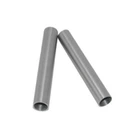
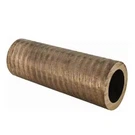
Alloy steel is a type of steel that has had small amounts of one or more alloying elements, such as manganese, silicon, nickel, titanium, copper, chromium, and aluminum, added to it. These elements are added to enhance specific properties of the steel, including strength, hardness, toughness, wear resistance, and corrosion resistance. As a leading alloy steel supplier, I am well - versed in the machining characteristics of alloy steel, which are crucial for both manufacturers and end - users.
1. Hardness and Strength
Alloy steel is known for its high hardness and strength. This is due to the presence of alloying elements that form hard carbides or intermetallic compounds within the steel matrix. For example, chromium forms chromium carbides, which significantly increase the hardness of the steel. The high hardness and strength of alloy steel make it suitable for applications where heavy loads and high stresses are involved, such as in the automotive and aerospace industries.
However, these same properties also present challenges during machining. High - strength alloy steels require more powerful cutting tools and higher cutting forces. The cutting edges of the tools are subjected to greater wear and tear, which can lead to shorter tool life. To overcome these challenges, carbide - tipped tools are often used. Carbide tools have high hardness and wear resistance, which can withstand the high cutting forces and abrasion associated with machining alloy steel. Additionally, proper tool geometry, such as a positive rake angle, can help reduce cutting forces and improve chip formation.
2. Heat Resistance
Many alloy steels have excellent heat resistance properties. Alloying elements like nickel, chromium, and molybdenum contribute to the formation of a stable oxide layer on the surface of the steel, which protects it from oxidation and corrosion at high temperatures. This makes alloy steel suitable for applications in high - temperature environments, such as in power generation plants and gas turbines.
When machining heat - resistant alloy steels, the high temperatures generated during the cutting process can cause problems. The heat can soften the cutting tool, leading to rapid tool wear. Moreover, the heat - resistant properties of the alloy steel make it difficult to remove material, as the steel retains its strength and hardness even at elevated temperatures. To address these issues, coolant and lubricant systems are essential. Coolants help dissipate the heat generated during machining, reducing the temperature of the cutting tool and the workpiece. Lubricants, on the other hand, reduce friction between the tool and the workpiece, which also helps in heat reduction and improves chip flow.
3. Machinability Index
The machinability of alloy steel can be evaluated using a machinability index. This index compares the machining performance of a particular alloy steel to a standard reference material, usually AISI 1212 steel. A higher machinability index indicates better machinability.
Factors that affect the machinability index of alloy steel include the type and amount of alloying elements, the microstructure of the steel, and the heat treatment. For example, steels with a fine - grained microstructure generally have better machinability than those with a coarse - grained microstructure. Heat treatment processes, such as annealing, can also improve the machinability of alloy steel by reducing its hardness and improving its ductility.


4. Chip Formation
Chip formation is an important aspect of machining alloy steel. The shape and size of the chips can affect the cutting process, tool life, and surface finish of the workpiece. In general, alloy steel tends to produce long, continuous chips during machining. These long chips can become entangled around the cutting tool, leading to tool breakage and poor surface finish.
To control chip formation, chip breakers can be used. Chip breakers are features on the cutting tool that are designed to break the chips into smaller, more manageable pieces. Additionally, the cutting parameters, such as cutting speed, feed rate, and depth of cut, can be adjusted to optimize chip formation. For example, increasing the feed rate can sometimes help break the chips more effectively.
5. Corrosion Resistance
Alloy steels can have varying degrees of corrosion resistance depending on the type and amount of alloying elements. Stainless steels, which are a type of alloy steel, contain a significant amount of chromium, which forms a passive oxide layer on the surface of the steel, protecting it from corrosion. Other alloying elements, such as nickel and molybdenum, can also enhance the corrosion resistance of the steel.
When machining corrosion - resistant alloy steels, it is important to prevent contamination. Contaminants, such as iron particles from the cutting tools or the machining environment, can cause localized corrosion on the surface of the workpiece. To avoid this, clean machining environments and non - ferrous cutting tools should be used. Additionally, proper surface finishing processes, such as passivation, can be applied after machining to enhance the corrosion resistance of the workpiece.
Specific Alloy Steel Products and Their Machining Considerations
As an alloy steel supplier, we offer a wide range of products, each with its own unique machining characteristics.
- Inconel 617 Pipe: Inconel 617 Pipe is a nickel - chromium - cobalt - molybdenum alloy with excellent high - temperature strength and oxidation resistance. Machining Inconel 617 requires special attention due to its high strength and work - hardening tendency. High - speed steel tools are not recommended for machining this alloy. Instead, carbide or ceramic tools should be used. The cutting speed should be relatively low to avoid excessive heat generation, and a generous amount of coolant should be applied.
- Inconel 625 Nickel Alloy Tube: Inconel 625 Nickel Alloy Tube is known for its high corrosion resistance and good mechanical properties at both high and low temperatures. Machining Inconel 625 can be challenging because of its high toughness. The cutting forces required are relatively high, and the tool life can be short. To improve machinability, pre - machining heat treatment can be considered. Additionally, using sharp cutting tools with a proper rake angle can help reduce cutting forces.
- Hastelloy B2 Nickel Molybdenum Alloy Rod: Hastelloy B2 Nickel Molybdenum Alloy Rod is highly resistant to corrosion in reducing environments. Machining Hastelloy B2 can be difficult because of its high strength and tendency to work - harden. The cutting process should be carefully controlled to avoid excessive heat and work - hardening. Carbide tools with a negative rake angle are often used to withstand the high cutting forces.
Conclusion
Understanding the machining characteristics of alloy steel is essential for successful manufacturing processes. The high hardness, strength, heat resistance, and corrosion resistance of alloy steel offer many advantages in various applications, but they also present challenges during machining. By using the right cutting tools, optimizing cutting parameters, and implementing proper coolant and lubricant systems, these challenges can be overcome.
As a reliable alloy steel supplier, we are committed to providing high - quality alloy steel products and technical support to our customers. Whether you are a small - scale manufacturer or a large - scale industrial enterprise, we can help you select the most suitable alloy steel for your specific needs and provide guidance on the machining processes. If you are interested in our alloy steel products or have any questions about machining alloy steel, please feel free to contact us for further discussion and procurement negotiations.
References
- Kalpakjian, S., & Schmid, S. R. (2009). Manufacturing Engineering and Technology. Pearson Prentice Hall.
- ASM Handbook Committee. (1990). ASM Handbook: Machining. ASM International.