


Hey there! As a titanium supplier, I'm super excited to dive into the amazing marine applications of titanium. Titanium is like a superhero in the marine world, offering a bunch of benefits that make it a top - choice material for various marine uses.
Let's start with the properties of titanium that make it so great for marine applications. First off, titanium has an outstanding corrosion resistance. The salty seawater is a harsh environment that can eat away at many metals over time. But titanium forms a thin, protective oxide layer on its surface when exposed to oxygen. This layer acts as a shield, preventing the metal from reacting with the corrosive elements in the seawater. It's like titanium is wearing a suit of armor that keeps it safe from the damaging effects of salt and other chemicals.
Another great thing about titanium is its high strength - to - weight ratio. In the marine industry, weight is a big deal. The lighter the materials used in a vessel or a marine structure, the less energy it takes to move them through the water. Titanium is strong, yet much lighter than steel. This means that you can build strong and durable marine components without adding a ton of extra weight.
Now, let's get into the specific marine applications of titanium.
Shipbuilding
Titanium has found its way into shipbuilding in a big way. For starters, it's used in the construction of hulls. A titanium hull is not only corrosion - resistant but also offers better fuel efficiency because of its light weight. Ships with titanium hulls can travel longer distances with less fuel, which is a huge advantage for shipping companies looking to cut costs.
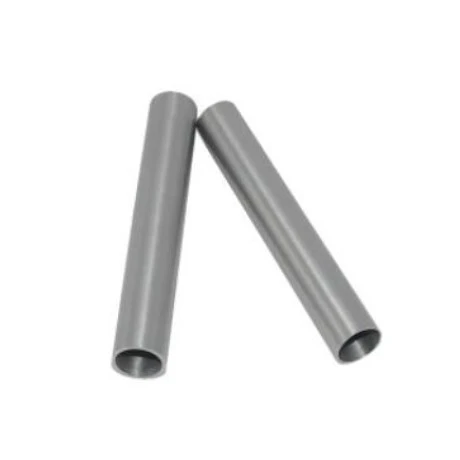
In addition to hulls, titanium is used for various internal components of ships. For example, the pipes in a ship's plumbing and cooling systems are often made of titanium. These Pure Titanium Pipe are resistant to corrosion from seawater, which means they have a longer lifespan compared to pipes made of other materials. The ASTM B338 Titanium Pipe is a popular choice for shipbuilding because it meets the high - quality standards required for marine applications. It can withstand high pressures and temperatures, making it suitable for use in the ship's engine cooling systems.

Offshore Oil and Gas Platforms
Offshore oil and gas platforms are constantly exposed to the harsh marine environment. Titanium is used extensively in these platforms to ensure their long - term durability. One of the main applications is in the construction of the platform's legs. These legs support the entire weight of the platform and are in constant contact with seawater. Titanium's corrosion resistance makes it an ideal material for this purpose.
Titanium is also used in the pipes and valves on offshore platforms. The pipes are used to transport oil and gas from the well to the platform and then to the on - shore facilities. These ASTM B265 Titanium Sheet can be fabricated into pipes that are strong, corrosion - resistant, and can handle the high - pressure flow of oil and gas. The valves, which control the flow of fluids, are also made of titanium to prevent corrosion and ensure smooth operation.
Desalination Plants
Desalination is the process of removing salt and other impurities from seawater to make it suitable for drinking and other uses. Titanium plays a crucial role in desalination plants. The heat exchangers in these plants are often made of titanium. Heat exchangers are used to transfer heat from one fluid to another during the desalination process. Seawater is a highly corrosive medium, and titanium's corrosion resistance makes it the perfect material for heat exchangers. It can withstand the high - temperature and high - pressure conditions in the desalination process without corroding, ensuring the efficient operation of the plant.
Marine Sensors and Instruments
Titanium is also used in the manufacturing of marine sensors and instruments. These devices are used to measure various parameters such as temperature, pressure, and salinity in the ocean. Titanium's corrosion resistance ensures that these sensors and instruments can operate accurately in the harsh marine environment for a long time. For example, a titanium - made pressure sensor can be submerged in seawater for extended periods without being affected by corrosion, providing reliable data for oceanographic research and marine operations.
Underwater Cables
Underwater cables are used for communication and power transmission in the marine environment. Titanium is used as a protective layer for these cables. The corrosion - resistant nature of titanium protects the inner conductors of the cable from the corrosive effects of seawater. This increases the lifespan of the underwater cables and reduces the need for frequent replacements, which can be very costly and time - consuming.
Fishing Equipment
In the fishing industry, titanium is used to make fishing rods, reels, and hooks. Titanium fishing rods are lightweight and strong, allowing fishermen to cast their lines further and with more ease. The reels made of titanium are also corrosion - resistant, which is important when they are exposed to seawater. And titanium hooks are sharp and durable, increasing the chances of a successful catch.
Aquaculture
Aquaculture, or fish farming, also benefits from titanium. Titanium is used in the construction of fish cages. These cages need to be strong and corrosion - resistant to withstand the constant exposure to seawater. Titanium fish cages have a longer lifespan compared to those made of other materials, reducing the cost of maintenance and replacement for fish farmers.
If you're in the marine industry and looking for high - quality titanium products for your projects, we've got you covered. Whether you need ASTM B265 Titanium Sheet, Pure Titanium Pipe, or ASTM B338 Titanium Pipe, we can provide you with the best - in - class titanium materials. Contact us to start a procurement discussion and find out how our titanium products can meet your specific needs.
References
- Callister, W. D., & Rethwisch, D. G. (2016). Materials Science and Engineering: An Introduction. Wiley.
- ASM Handbook Committee. (2000). ASM Handbook: Volume 2: Properties and Selection: Nonferrous Alloys and Special - Purpose Materials. ASM International.
