

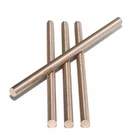
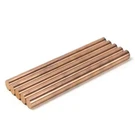
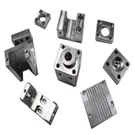
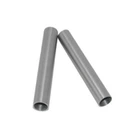
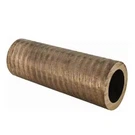
Silicon bronze is an alloy that combines copper with silicon and other elements, typically including small amounts of manganese, tin, or zinc. This unique combination results in a material with a variety of beneficial properties, making silicon bronze springs a popular choice in many applications. As a silicon bronze supplier, I am well - versed in the characteristics of these springs and will delve into their properties in this blog.
1. High Strength and Durability
One of the most prominent properties of silicon bronze springs is their high strength. The addition of silicon to the copper base significantly enhances the alloy's mechanical strength. This strength allows silicon bronze springs to withstand heavy loads and repeated stress without deforming permanently. For instance, in industrial machinery where springs are used to support moving parts or absorb shock, the high - strength nature of silicon bronze springs ensures long - term reliability.
Silicon bronze has good fatigue resistance, which is crucial for springs. Fatigue occurs when a material is subjected to cyclic loading, and over time, it can lead to cracks and eventual failure. Silicon bronze springs can endure a large number of load cycles before showing signs of fatigue, making them suitable for applications such as automotive suspensions and heavy - duty equipment.
2. Excellent Corrosion Resistance
Corrosion is a major concern for many materials, especially in environments where they are exposed to moisture, chemicals, or saltwater. Silicon bronze springs have excellent corrosion resistance, thanks to the protective oxide layer that forms on their surface. This oxide layer acts as a barrier, preventing the underlying metal from reacting with the surrounding environment.
In marine applications, for example, silicon bronze springs are widely used because they can resist the corrosive effects of saltwater. They are commonly found in boat hardware, such as winches, cleats, and steering components. Additionally, in chemical processing plants, where springs may come into contact with various corrosive chemicals, silicon bronze offers a reliable solution.
3. Good Electrical Conductivity
Copper is well - known for its high electrical conductivity, and silicon bronze retains a significant portion of this property. While the addition of silicon and other elements slightly reduces the conductivity compared to pure copper, silicon bronze springs still have good electrical conductivity. This makes them suitable for applications in the electrical and electronics industries.
In electrical switches and connectors, silicon bronze springs can be used to ensure a reliable electrical connection. They can maintain their shape and conductivity over time, even when subjected to mechanical vibrations or temperature changes. This property also makes them useful in electromagnetic devices, where the springs need to conduct electricity while providing mechanical support.
4. Machinability
Silicon bronze is relatively easy to machine, which is an advantage when manufacturing springs. Machining processes such as turning, milling, and drilling can be performed with relative ease, allowing for the production of springs with complex shapes and precise dimensions. This is particularly important in applications where custom - designed springs are required.
Manufacturers can use silicon bronze to produce springs with different coil diameters, pitches, and end configurations to meet specific design requirements. The good machinability also means that the production process can be more efficient, reducing costs and lead times.


5. Thermal Conductivity
Silicon bronze has decent thermal conductivity, which is beneficial in applications where heat dissipation is important. Springs in some machinery may generate heat due to friction or electrical resistance. The ability of silicon bronze springs to conduct heat helps in maintaining a stable temperature, preventing overheating and potential damage to the springs and the surrounding components.
In electronic devices, for example, silicon bronze springs can help in dissipating heat generated by the components, ensuring the proper functioning of the device. In high - speed machinery, where frictional heat can be a problem, silicon bronze springs can contribute to the overall thermal management of the system.
6. Aesthetic Appeal
Apart from their functional properties, silicon bronze springs also have an aesthetic appeal. They have a warm, golden - brown color that can enhance the visual appearance of products. This makes them a popular choice in architectural applications, such as door handles, decorative hardware, and ornamental structures.
In interior design, silicon bronze springs can add a touch of elegance and sophistication. Their unique color can complement different design styles, from traditional to modern.
Applications of Silicon Bronze Springs
The properties of silicon bronze springs make them suitable for a wide range of applications. In addition to the ones mentioned above, they are also used in musical instruments, such as guitars and pianos, where their durability and vibration - damping properties are highly valued. They are also found in precision instruments, where their high strength and dimensional stability are crucial.
If you are interested in exploring the potential of silicon bronze springs for your specific application, we offer a variety of related products. You can check out our Silicon Bronze Tube, Forging Silicon Bronze Products, and Casting Silicon Bronze Products to see if they meet your needs.
Conclusion
Silicon bronze springs offer a combination of high strength, excellent corrosion resistance, good electrical conductivity, machinability, thermal conductivity, and aesthetic appeal. These properties make them a versatile choice for many industries and applications. Whether you are in the automotive, marine, electrical, or architectural field, silicon bronze springs can provide reliable performance.
If you are looking for a high - quality silicon bronze supplier for your spring manufacturing needs or other related applications, we are here to assist you. Contact us to discuss your requirements and start a procurement negotiation. We are committed to providing you with the best products and services to meet your specific needs.
References
- Metals Handbook: Properties and Selection: Nonferrous Alloys and Pure Metals, Volume 2, ASM International.
- "Corrosion Resistance of Copper - Base Alloys" by J. R. Davis, ASM International.
- "Mechanical Properties of Metals and Alloys" by George E. Dieter, McGraw - Hill.