


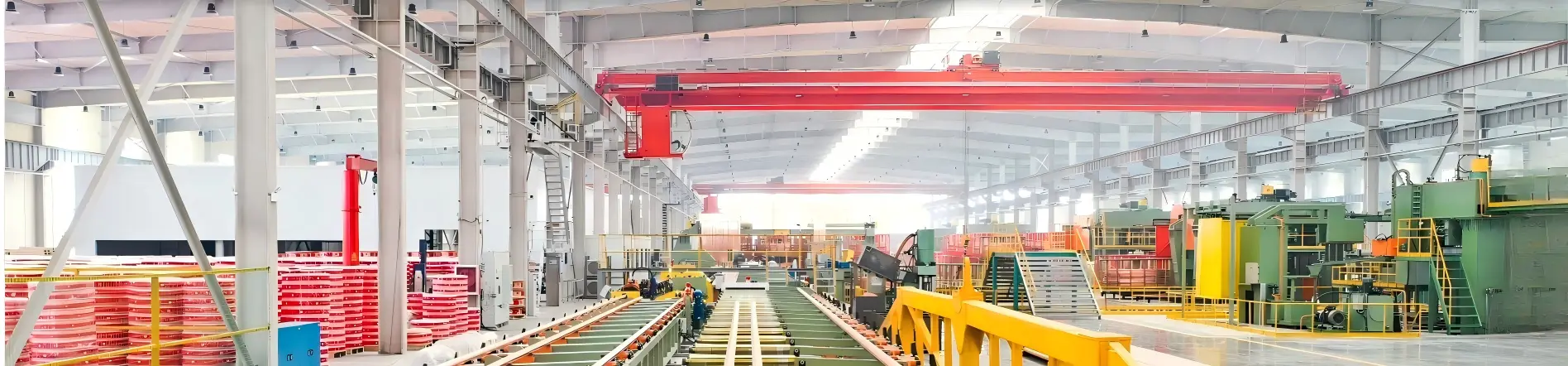
Oil Gas & Petrochemical Industry Applications
The oil, gas and petrochemical sector imposes demanding material requirements: production and processing equipment operates under combined conditions of high temperature, high pressure, hydrogen attack, hydrogen‑sulfide sour‑gas media, chloride corrosion and cyclic mechanical loads. Equipment such as pressure vessels, reactors, pipelines, heat exchangers, and downhole tools must maintain structural integrity and corrosion resistance over extended service lives.Material selection directly determines equipment safety, service life and maintenance cycles.
HSMetal supplies a complete portfolio including high‑performance corrosion‑resistant alloys, nickel-based alloys,copper alloys and titanium alloys. Our material solutions cover core segments such as pressure vessels & reactors, process transmission piping, refining & chemical processing units, heat‑exchange and seawater‑cooling systems for on‑site plants and offshore oil‑gas facilities. Our material available in plates, bars, tubes, pipes, fittings, and custom forms, with full traceability and compliance to ASTM, ASME, API, and NACE MR0175/ISO 15156 standards.
Core Performance Requirements for Petrochemical Materials
- High-Temperature Strength – Equipment such as hydrocrackers, reformers, and furnace tubes operate at temperatures exceeding 454°C, requiring materials that maintain mechanical strength and creep resistance under sustained thermal exposure.
- Corrosion Resistance – Resistance to pitting, crevice corrosion, stress corrosion cracking (SCC), and hydrogen-induced cracking (HIC) is essential in sour gas environments (H₂S-containing). Materials must withstand attack from sulfuric acid, hydrochloric acid, phosphoric acid, and chloride-rich media.
- Hydrogen Resistance – High-pressure hydrogen service (e.g., hydroprocessing reactors) demands materials with resistance to hydrogen attack and temper embrittlement, verified through Nelson curve data.
- Fabricability & Weldability – Good weldability and formability are critical for large-diameter pressure vessels, thick-wall reactors, and complex piping systems.
- Cost-Effectiveness & Supply Reliability – Competitive material costs and stable large-volume supply are essential for major petrochemical capital projects.
High-Performance Nickel-Based Alloys – Pressure Vessels, Reactors & Sour Service
Nickel-based superalloys and corrosion-resistant alloys are the materials of choice for the most demanding petrochemical applications, offering an exceptional combination of high-temperature strength, corrosion resistance, and metallurgical stability. High‑performance nickel‑based & corrosion‑resistant alloys are widely specified for critical petrochemical hardware exposed to harsh sour‑gas, high‑pressure hydrogen and high‑temperature service.
- Inconel 625 (UNS N06625) – A nickel-chromium-molybdenum-niobium alloy with outstanding resistance to pitting, crevice corrosion, and seawater attack. Widely used in chemical processing equipment, flue gas desulfurization systems, offshore wellhead components, subsea flowlines, and chemical reactor piping. Maintains performance from cryogenic temperatures up to 980°C.
- Inconel 718 (UNS N07718) – A precipitation-hardened nickel-iron-chromium alloy offering high tensile and creep strength up to 650–750°C. Commonly specified for downhole tools, wellheads, gate valves, pump bodies, and high-strength fasteners in oil & gas production. Also widely used in gas turbine components and nuclear reactor systems.
- Hastelloy C276 (UNS N10276) – A nickel-molybdenum-chromium superalloy renowned for its exceptional resistance to a wide range of corrosive media, including sulfuric acid, hydrochloric acid, and phosphoric acid. One of the few materials resistant to wet chlorine gas, hypochlorite, and chlorine dioxide solutions. Maintains corrosion resistance up to 1040°C. Applications include reactors, heat exchangers, piping systems, flue gas desulfurization scrubbers, and equipment handling acidic waste streams.
- Incoloy 800 / 800H: Good high‑temperature creep‑rupture performance for reformer furnaces, boiler superheaters and high‑temperature reactor internals.
- Incoloy 825 (UNS N08825) – A nickel-iron-chromium alloy with added molybdenum and copper, optimized for corrosion resistance to sulfuric and phosphoric acids from ambient to 540°C. Excellent resistance to stress corrosion cracking, pitting, and crevice corrosion. Widely used in oil & gas wellheads, risers, pipelines, casing and tubing, phosphoric acid evaporators, and chemical process equipment.
- Alloy 925 (UNS N09925) – A precipitation-hardened version of Alloy 825 chemistry, offering high strength for sour service applications. Used in downhole valves, hangers, packers, pump shafts, wellhead components, and subsea manifold high-strength bolts. Compliant with NACE MR0175 for H₂S-containing environments.
- Monel 400 / Monel K500 (UNS N04400 / N05500) – Nickel-copper alloys with outstanding resistance to seawater, hydrofluoric acid, fluorine gas, and hot concentrated alkaline solutions. Monel 400 is widely used in heat exchangers, boiler feedwater heaters, pipelines, and components for oil & natural gas production requiring resistance to acidic gases. Monel K500 offers higher strength for pump shafts, valve stems, and fastener applications. Compliant with NACE MR0175 for sour service.
- Inconel 617 (UNS N06617) – A nickel-chromium-cobalt-molybdenum alloy with outstanding high-temperature strength and oxidation resistance up to 1000°C. Used in petrochemical process piping, high-temperature cracking furnace tubes, radiant tubes, and heat treatment equipment.
- Alloy 31 / Alloy 926 – High-performance nickel-chromium-molybdenum alloys with enhanced resistance to aggressive acidic and chloride-containing environments. Specified for marine scrubbers, condensers, and high-alloy piping systems in petrochemical service.
- Haynes 556 / GH2328 / GH984 / GH4169 – Additional high-performance alloys available for specialized petrochemical applications including gas turbine components and high-temperature boiler superheaters.
- Incoloy 945 (N09945): Precipitation‑strengthened nickel‑iron‑chromium alloy, designed for downhole sour‑gas well hardware, offers outstanding sulfide‑stress‑cracking resistance under high‑pressure subsurface conditions.
- Alloy 35Mo: Nickel‑molybdenum alloy with superior resistance to reducing‑acid media for severe chemical‑processing environments.
Carbon & low‑alloy structural steels such as PSL2 L360 and Q355C are adopted for main‑line transmission pipelines, cooperating with multi‑layer PE external anti‑corrosion coating and internal lining to resist soil and medium‑side corrosion for long‑distance petrochemical pipeline projects.
Copper Alloys - Heat Exchangers, Condensers, Piping & Seawater Cooling Systems
Copper alloys are essential for heat transfer applications in petrochemical plants, offering excellent thermal conductivity, corrosion‑resistant performance, and resistance to marine biofouling,frequently applied for petrochemical heat‑exchange equipment, seawater cooling loops, valve fittings and instrument components.
- C70600 (90/10 Copper-Nickel) The workhorse cupronickel alloy for seawater cooling piping, fire main lines, and condenser tubes. Offers excellent resistance to seawater erosion, corrosion, and biofouling. Widely used in petrochemical plant cooling systems, heat exchangers, and desalination equipment.
- C68700 Aluminum Brass / C44300 Admiralty Brass– For condenser tubes and cooling‑circuit components under mixed salt‑water vapor environments.
- C71500 (70/30 Copper-Nickel) – Higher-nickel cupronickel with superior resistance to high-velocity seawater corrosion and higher mechanical strength. Specified for premium condenser and heat exchanger tubes in demanding cooling applications.
- C63000 / C95800 / C63200 (Aluminum Bronze) – High-strength copper alloys with excellent cavitation resistance, wear resistance, and seawater corrosion resistance. Used in pump housings, valve bodies, impellers, shafts, and bushings in marine and petrochemical fluid-handling systems.
- C68700 (Aluminum Brass) – A copper-zinc-aluminum alloy with good resistance to seawater corrosion and biofouling, commonly used in condenser tubes.
- C44300 (Admiralty Brass) – A copper-zinc-tin-arsenic alloy offering good corrosion resistance in seawater and brackish water, used in heat exchanger tubing.
- C17200 (Beryllium Copper) – High-strength, non-magnetic copper alloy for connectors, springs, and precision instrumentation exposed to corrosive petrochemical environments.
- C10100 / C10200 (Oxygen-Free Copper) – High-purity copper with ultra-low oxygen content, offering excellent electrical and thermal conductivity for busbars, power cables, and RF components in petrochemical facilities.
- C106 (DHP Copper) / C11000 (Electrolytic Tough Pitch Copper) – Standard copper grades for general petrochemical piping and electrical applications.
Titanium Alloys - Highly Corrosion‑Resistant for Heat Exchangers & Chemical Process Equipment
Titanium and its alloys offer an exceptional combination of low density, high strength, and outstanding corrosion resistance – particularly in chloride-containing and oxidizing acid environments.Titanium alloys exhibit nearly immune resistance to chloride‑ion‑induced corrosion, even under aggressive chemical‑processing conditions. They are preferred for heat exchangers, chemical piping, pressure tanks, anode assemblies and electrolytic‑cell components.
- Grade 12 (UNS R53400) – A titanium-molybdenum-nickel alloy offering improved strength and corrosion resistance over commercially pure titanium. Used in shell-and-tube heat exchangers, chemical process piping, pressure vessels, tanks, pumps, valves, and fittings in mildly reducing or variable oxidizing-reducing media. Suitable for PTA (purified terephthalic acid), polyolefin phenol, and other chemical process applications.
- Grade 7 (UNS R52400) – A titanium-palladium alloy offering superior crevice corrosion resistance in chloride and seawater environments. Used in chemical process piping, heat exchangers, and equipment handling oxidizing acids.
- Grade 5 (Ti-6Al-4V / UNS R56400) – The most widely used titanium alloy, offering high specific strength and excellent corrosion resistance. Used in petrochemical reactor components, offshore platform pipelines, and high-pressure equipment.
- Grades 1-3 (Commercially Pure Titanium) – Used in less demanding chemical process applications where formability and corrosion resistance are the primary requirements.
- Grade 9 (Ti-3Al-2.5V / UNS R56320) – A near-alpha titanium alloy with good formability and corrosion resistance, used in heat exchangers and chemical process piping
Industry Standards & Compliance
HSMetal materials are supplied to meet or exceed the following industry standards:
- ASTM – A/SA, B/SB specifications for plates, bars, tubes, pipes, and fittings
- ASME – Boiler & Pressure Vessel Code (Section VIII), B31.3 Process Piping
- API – API 620 (low-temperature storage tanks), API 650 (welded storage tanks)
- NACE MR0175 / ISO 15156 – Materials for H₂S-containing environments in oil & gas production
- ISO – International standards for quality and material specifications
HSMetal Supply Advantages – Your Petrochemical Material Partner
We supply plates, bars, tubes, forgings and seamless pipe products complying with NACE, ASTM and related petrochemical‑industry specifications. We deliver stable raw‑material solutions for refineries, chemical‑plant contractors, onshore & offshore oil‑gas equipment manufacturers.
- Comprehensive Grade Portfolio – From nickel-based superalloys to copper and titanium alloys, we supply the full spectrum of petrochemical materials.
- Proven Corrosion Performance – All materials are selected and tested for resistance to H₂S, chlorides, acids, and high-temperature oxidation.
- Full Traceability & Certification – Mill test reports (MTR) and material certifications provided with every shipment.
- Diverse Product Forms – Available in plates, bars, tubes, pipes, sheets, strips, wires, forgings, and custom shapes.
- Global Supply Reliability – Serving EPC contractors, engineering firms, petrochemical plant operators, and equipment manufacturers worldwide.
- Technical Support – Our metallurgists assist with material selection, welding procedure qualification, and corrosion mitigation strategies.
Core Applications and Recommended Grades
| Alloy Category | Key Petrochemical Applications | Recommended Grades |
|---|---|---|
| Nickel-Based Superalloys | Pressure vessels, reactors, hydrocrackers, sour gas well components, downhole tools, heat exchangers, furnace tubes, piping systems | Inconel 625, Inconel 718, Hastelloy C276, Incoloy 825, Alloy 925, Monel 400, Monel K500, Inconel 617, Alloy 31, Alloy 926, Haynes 556, GH4169, GH2328, GH984 |
| Copper Alloys – Heat Exchangers | Condensers, heat exchangers, seawater cooling systems, desalination equipment | C70600 (90/10 Cu-Ni), C71500 (70/30 Cu-Ni), C68700 (Aluminum Brass), C44300 (Admiralty Brass) |
| Copper Alloys – Pumps & Valves | Pump housings, valve bodies, impellers, shafts, bushings | C63000, C95800, C63200 (Aluminum Bronze) |
| Copper Alloys – Electrical & Instrumentation | Busbars, power cables, connectors, precision instruments | C10100/C10200, C11000, C106, C17200 (Beryllium Copper) |
| Titanium Alloys | Heat exchangers, chemical process piping, pressure vessels, tanks, anodes, cell components | Grade 12 (R53400), Grade 7 (R52400), Grade 5 (R56400), Grade 9 (R56320), Grades 1-3 |


