

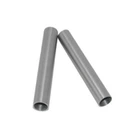
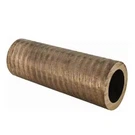
Hey there! I'm a supplier of Phosphor Bronze, and today I wanna chat about how Phosphor Bronze is heat treated. Heat treatment is a crucial process that can significantly enhance the properties of Phosphor Bronze, making it suitable for a wide range of applications.
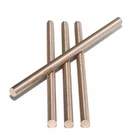
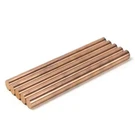
First off, let's understand what Phosphor Bronze is. It's an alloy mainly composed of copper, tin, and a small amount of phosphorus. The addition of phosphorus helps improve the alloy's strength, hardness, and wear resistance. There are different grades of Phosphor Bronze, like C54400 Phosphor Bronze and C52400 Phosphor Bronze, each with its own unique properties and applications.
The heat treatment of Phosphor Bronze generally involves several key steps, and the specific process depends on the desired properties and the end - use of the product.
Annealing
Annealing is one of the most common heat - treatment processes for Phosphor Bronze. It's basically a process of heating the alloy to a specific temperature and then cooling it slowly. This helps to relieve internal stresses that may have been introduced during manufacturing processes such as casting, forging, or cold working.


When we anneal Phosphor Bronze, we first heat it up to a temperature between 550°C and 700°C. The exact temperature depends on the composition of the alloy and the amount of stress we need to relieve. Once the alloy reaches the target temperature, we hold it there for a certain period of time. This "soaking" time allows the internal structure of the alloy to adjust and the stresses to dissipate.
After the soaking period, we cool the alloy slowly. Slow cooling is crucial because it allows the atoms in the alloy to rearrange themselves in an orderly manner, resulting in a more stable and less stressed structure. Usually, we cool the alloy in the furnace itself, turning off the heat source and letting it cool naturally.
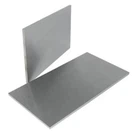
Annealed Phosphor Bronze becomes more ductile, which means it can be easily formed into different shapes without cracking. This makes it ideal for applications where complex shapes are required, such as in the production of Tin Bronze Sheet. The sheets can be bent, stamped, or rolled into various components for electrical connectors, springs, and musical instruments.
Hardening
If we want to increase the hardness and strength of Phosphor Bronze, we can use a hardening process. This typically involves a combination of heating and rapid cooling.
We start by heating the Phosphor Bronze to a high temperature, usually around 750°C - 850°C. At this temperature, the alloy undergoes a phase change. The copper - tin - phosphorus solid solution becomes more homogeneous, and the alloy becomes more malleable.
After reaching the appropriate temperature, we quickly quench the alloy in a cooling medium, such as water or oil. This rapid cooling freezes the high - temperature structure of the alloy, preventing the atoms from rearranging into a more stable, lower - temperature structure. As a result, the alloy becomes harder and stronger.
However, quenching can also introduce new internal stresses in the alloy, which may lead to cracking or distortion. To address this issue, we usually follow up the quenching process with a tempering step.
Tempering
Tempering is a secondary heat - treatment process that is often carried out after hardening. It helps to relieve the internal stresses caused by quenching and also fine - tunes the hardness and toughness of the alloy.
We heat the quenched Phosphor Bronze to a relatively low temperature, typically between 150°C and 350°C. The exact temperature depends on the desired balance between hardness and toughness. We hold the alloy at this temperature for a few hours and then cool it slowly.
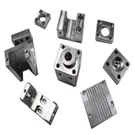
During tempering, the internal stresses are gradually relieved, and the alloy becomes less brittle while still retaining a significant amount of its hardness. This makes the Phosphor Bronze more suitable for applications where both strength and toughness are required, such as in the production of gears, bearings, and fasteners.
Aging
Aging is another heat - treatment process that can be used to further enhance the properties of Phosphor Bronze. It involves heating the alloy to a relatively low temperature (around 150°C - 250°C) and holding it there for an extended period of time, usually several hours or even days.
During aging, the alloy undergoes a precipitation - hardening process. Small particles of a second phase precipitate out of the solid solution, which helps to strengthen the alloy. This process is particularly effective for Phosphor Bronze alloys with a high tin content.
Aged Phosphor Bronze has improved strength, hardness, and resistance to wear and corrosion. It's commonly used in applications where long - term durability is essential, such as in marine components and electrical contacts.
Quality Control
Throughout the heat - treatment process, quality control is of utmost importance. We use various techniques to ensure that the heat - treated Phosphor Bronze meets the required specifications.
We regularly check the temperature during heating and cooling using thermocouples. These devices are inserted into the alloy or placed in the furnace to accurately measure the temperature. This helps us to maintain the correct heat - treatment parameters and ensure consistent results.
We also perform hardness testing on the heat - treated samples. Hardness can be measured using different methods, such as the Brinell, Rockwell, or Vickers hardness tests. By comparing the measured hardness values with the target values, we can determine if the heat - treatment process has been successful.
In addition, we may use non - destructive testing methods, such as ultrasonic testing or X - ray inspection, to detect any internal defects or cracks that may have been introduced during the heat - treatment process.
Conclusion
Heat treatment is a complex but essential process for Phosphor Bronze. It allows us to tailor the properties of the alloy to meet the diverse needs of different industries. Whether it's annealing for improved ductility, hardening for increased strength, tempering for a balance of hardness and toughness, or aging for enhanced durability, each heat - treatment step plays a crucial role in optimizing the performance of Phosphor Bronze.
If you're in the market for high - quality Phosphor Bronze products, whether it's for electrical applications, mechanical components, or any other use, don't hesitate to reach out. We can provide you with detailed information about our heat - treated Phosphor Bronze products and help you find the best solution for your specific requirements. Let's have a chat about your procurement needs and see how we can work together!
References
- ASM Handbook Volume 4: Heat Treating. ASM International.
- Metals Handbook Desk Edition, Third Edition. ASM International.