

How is Phosphor Bronze made?
As a supplier of phosphor bronze, I am often asked about the manufacturing process of this remarkable alloy. Phosphor bronze is a type of bronze alloy that contains copper, tin, and a small amount of phosphorus. It is known for its excellent strength, corrosion resistance, and fatigue resistance, making it a popular choice in various industries, including electrical, automotive, and marine.
The Raw Materials
The first step in making phosphor bronze is to gather the raw materials. The primary components are copper and tin, with copper typically making up the majority of the alloy. Copper is a highly conductive and malleable metal, while tin adds strength and hardness to the alloy. In addition to copper and tin, a small amount of phosphorus is added to improve the alloy's mechanical properties and corrosion resistance.
The copper used in phosphor bronze is usually of high purity, typically around 99.9%. This high-purity copper ensures that the final alloy has the desired electrical and mechanical properties. Tin is also of high purity, usually around 99.8%. The phosphorus is added in the form of a copper-phosphorus master alloy, which is a pre-made alloy containing a specific amount of phosphorus.
Melting and Alloying
Once the raw materials are gathered, they are melted in a furnace. The furnace is typically a crucible furnace or an induction furnace, which can reach temperatures high enough to melt the copper and tin. The melting process is carefully controlled to ensure that the alloy has the correct composition and properties.
During the melting process, the copper and tin are first melted together to form a base alloy. The phosphorus is then added to the molten alloy in the form of the copper-phosphorus master alloy. The amount of phosphorus added depends on the desired properties of the final alloy. Generally, the phosphorus content ranges from 0.01% to 0.35%.
The molten alloy is then stirred to ensure that the phosphorus is evenly distributed throughout the alloy. This is important because an uneven distribution of phosphorus can lead to variations in the alloy's properties. After stirring, the molten alloy is allowed to cool slightly before it is poured into molds to form ingots or billets.


Casting
The next step in the manufacturing process is casting. The molten alloy is poured into molds to form ingots or billets, which are the starting materials for further processing. The molds are typically made of steel or graphite and are designed to have the desired shape and size of the ingots or billets.
The casting process is carefully controlled to ensure that the ingots or billets have the correct shape, size, and density. The molten alloy is poured into the molds at a specific temperature and rate to prevent the formation of defects such as porosity or cracks. After the alloy has solidified, the ingots or billets are removed from the molds and allowed to cool completely.
Hot Working
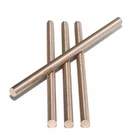
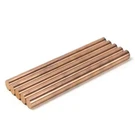
Once the ingots or billets have cooled, they are ready for hot working. Hot working is a process in which the alloy is heated to a high temperature and then deformed using various methods such as rolling, forging, or extrusion. The hot working process helps to improve the alloy's mechanical properties and refine its grain structure.
During hot working, the ingots or billets are heated to a temperature between 700°C and 900°C, depending on the composition of the alloy. The heated alloy is then passed through a series of rollers or dies to reduce its thickness or change its shape. The hot working process is repeated several times to achieve the desired thickness and shape of the final product.
Cold Working
After hot working, the alloy may undergo cold working. Cold working is a process in which the alloy is deformed at room temperature using methods such as rolling, drawing, or stamping. Cold working helps to further improve the alloy's strength and hardness by increasing its dislocation density.
During cold working, the alloy is passed through a series of rollers or dies to reduce its thickness or change its shape. The cold working process is typically followed by annealing, which is a heat treatment process that helps to relieve the internal stresses in the alloy and restore its ductility.
Heat Treatment
Heat treatment is an important step in the manufacturing process of phosphor bronze. Heat treatment helps to improve the alloy's mechanical properties, such as strength, hardness, and ductility. There are several types of heat treatment processes that can be used for phosphor bronze, including annealing, quenching, and tempering.
Annealing is a heat treatment process in which the alloy is heated to a specific temperature and then cooled slowly. This helps to relieve the internal stresses in the alloy and restore its ductility. Quenching is a heat treatment process in which the alloy is heated to a high temperature and then rapidly cooled in a quenching medium such as water or oil. This helps to increase the alloy's strength and hardness. Tempering is a heat treatment process in which the quenched alloy is heated to a lower temperature and then cooled slowly. This helps to reduce the brittleness of the alloy and improve its toughness.
Finishing
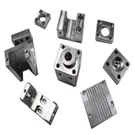
The final step in the manufacturing process of phosphor bronze is finishing. The finished product may be polished, coated, or machined to achieve the desired surface finish and dimensional accuracy. Polishing helps to improve the appearance of the product and reduce its friction coefficient. Coating can be used to improve the corrosion resistance of the product. Machining can be used to create complex shapes and features in the product.
Applications of Phosphor Bronze
Phosphor bronze has a wide range of applications due to its excellent properties. Some of the common applications of phosphor bronze include:
- Electrical Connectors: Phosphor bronze is widely used in electrical connectors due to its high electrical conductivity, corrosion resistance, and fatigue resistance. It is used in connectors for computers, mobile phones, and other electronic devices.
- Springs: Phosphor bronze is an ideal material for springs due to its high strength, elasticity, and corrosion resistance. It is used in springs for automotive engines, valves, and other mechanical components.
- Bushings and Bearings: Phosphor bronze is used in bushings and bearings due to its low friction coefficient, wear resistance, and corrosion resistance. It is used in bushings and bearings for automotive engines, industrial machinery, and other applications.
- Musical Instruments: Phosphor bronze is used in musical instruments such as cymbals, bells, and strings due to its excellent acoustic properties. It is also used in the keys and other components of wind instruments.
Conclusion
In conclusion, the manufacturing process of phosphor bronze involves several steps, including melting, alloying, casting, hot working, cold working, heat treatment, and finishing. Each step is carefully controlled to ensure that the final product has the desired composition, properties, and quality. As a supplier of phosphor bronze, we are committed to providing high-quality products that meet the needs of our customers.
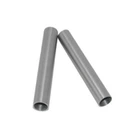
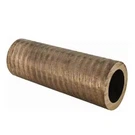
If you are interested in purchasing phosphor bronze products such as C54400 Phosphor Bronze, Phosphor Bronze Tube, or C51900 Phosphor Bronze, please feel free to contact us for more information and to discuss your specific requirements. We look forward to working with you to provide the best phosphor bronze solutions for your applications.
References
- Metals Handbook: Properties and Selection: Nonferrous Alloys and Pure Metals, Volume 2, 9th Edition, ASM International.
- Copper and Copper Alloys, ASM Specialty Handbook, ASM International.
- The Manufacturing Process of Phosphor Bronze, various industry publications and technical papers.