


As a titanium supplier, I understand the significance of safe and responsible disposal of titanium waste. Titanium is a valuable and versatile metal, widely used in various industries such as aerospace, medical, and chemical due to its excellent corrosion resistance, high strength - to - weight ratio, and biocompatibility. However, improper disposal of titanium waste can pose environmental risks and lead to the loss of a valuable resource. In this blog, I will share some insights on how to dispose of titanium waste safely.
Understanding Titanium Waste
Titanium waste can come from different sources. In the manufacturing process of Titanium Seamless Pipe, Gr5 Titanium Bar, and Gr5 Titanium Plate, there are often scraps, off - cuts, and defective products. These waste materials may have different forms, including solid pieces, powders, or turnings.

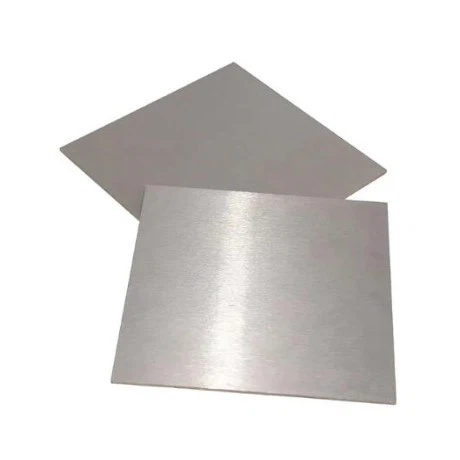
It's important to note that titanium waste may also be contaminated with other substances. For example, during machining operations, titanium chips can be mixed with cutting fluids, lubricants, or other chemicals. In some cases, the waste may have traces of radioactive materials if it has been used in certain specialized applications. Understanding the nature and composition of the titanium waste is the first step towards safe disposal.
Segregation of Titanium Waste
The first step in safe disposal is proper segregation. Different types of titanium waste should be separated from each other and from other types of waste. Solid titanium pieces can be collected separately from titanium powders. This is crucial because different forms of waste may require different disposal methods.
For instance, solid titanium pieces can often be recycled more easily. They can be melted down and reused in the production of new titanium products. On the other hand, titanium powders may pose a greater fire and explosion risk due to their high surface - area - to - volume ratio. Therefore, they need to be stored and handled with extra care.
In addition, if the titanium waste is contaminated with other substances, it should be segregated based on the type of contamination. For example, waste contaminated with oil or grease should be separated from waste contaminated with acids or alkalis. This segregation helps in choosing the most appropriate treatment and disposal methods.
Recycling Titanium Waste
Recycling is one of the most sustainable and environmentally friendly ways to dispose of titanium waste. Titanium is a valuable metal, and recycling it can save a significant amount of energy and resources compared to producing new titanium from raw materials.
The recycling process of titanium waste typically involves several steps. First, the waste is cleaned to remove any contaminants. This may involve washing, degreasing, or chemical treatment. After cleaning, the waste is melted in a high - temperature furnace. The molten titanium is then refined to remove impurities and adjust its chemical composition to meet the requirements for new product manufacturing.
As a titanium supplier, I often encourage my customers to recycle their titanium waste. We can work together to establish a waste collection and recycling system. By recycling titanium waste, we not only reduce the environmental impact but also contribute to the circular economy.
Treatment of Contaminated Titanium Waste
When titanium waste is contaminated, it requires special treatment before disposal. For example, if the waste is contaminated with cutting fluids or lubricants, it may need to undergo a de - oiling process. This can be achieved through physical methods such as centrifugation or filtration, or chemical methods such as solvent extraction.
If the titanium waste is contaminated with radioactive materials, it must be handled in accordance with strict regulations. Specialized facilities,equipped with radiation - shielding equipment and trained personnel, are required for the treatment and disposal of radioactive titanium waste.
In some cases, chemical treatment may be used to neutralize or remove harmful contaminants from the titanium waste. For example, if the waste is contaminated with acids, it can be treated with alkalis to neutralize the acidity. However, these chemical treatments need to be carefully controlled to avoid generating secondary pollutants.
Safe Storage of Titanium Waste
Before disposal or recycling, titanium waste needs to be stored safely. Solid titanium pieces can be stored in dry, well - ventilated areas. They should be stacked or stored in containers to prevent damage and ensure easy handling.
Titanium powders, due to their high reactivity, need to be stored in sealed containers to prevent contact with air and moisture. Special storage facilities may be required to maintain a low - oxygen and low - humidity environment. In addition, fire - prevention measures should be in place, such as installing fire - extinguishing equipment and keeping the storage area away from heat sources.
If the titanium waste is contaminated, it should be stored in a separate area to prevent cross - contamination. The storage containers should be clearly labeled with information about the type of waste and its contaminants.
Regulatory Compliance
When disposing of titanium waste, it is essential to comply with all relevant local, national, and international regulations. Different regions may have different requirements regarding waste management, environmental protection, and safety.
For example, in some areas, there are strict regulations on the disposal of hazardous waste, including contaminated titanium waste. These regulations may specify the types of treatment and disposal methods that are allowed, as well as the reporting and documentation requirements.
As a titanium supplier, I always stay updated on the latest regulatory requirements. I can provide guidance to my customers on how to ensure compliance with these regulations during the disposal of titanium waste. This not only helps to avoid legal issues but also ensures the protection of the environment and public health.
Collaboration with Waste Management Partners
To ensure the safe and proper disposal of titanium waste, it is beneficial to collaborate with professional waste management partners. These partners have the expertise, equipment, and facilities to handle different types of titanium waste.
For example, they may have advanced recycling technologies that can efficiently recycle titanium waste with high purity. They can also provide services for the treatment of contaminated waste, ensuring that the waste is treated in a safe and environmentally friendly manner.
By working with waste management partners, we can optimize the waste disposal process, reduce costs, and minimize the environmental impact. We can also learn from their experience and knowledge in waste management and continuously improve our waste disposal practices.
Conclusion
Safe disposal of titanium waste is a responsibility that we all share. As a titanium supplier, I am committed to promoting safe and sustainable waste management practices. By understanding the nature of titanium waste, segregating it properly, recycling whenever possible, treating contaminated waste appropriately, storing it safely, complying with regulations, and collaborating with waste management partners, we can ensure that titanium waste is disposed of in a way that protects the environment and conserves resources.
If you are interested in purchasing high - quality titanium products such as Titanium Seamless Pipe, Gr5 Titanium Bar, or Gr5 Titanium Plate, or if you have any questions about titanium waste disposal, feel free to contact me for further discussion and potential procurement negotiations.
References
- ASM Handbook Volume 2: Properties and Selection: Nonferrous Alloys and Special - Purpose Materials. ASM International.
- "Titanium: Technology, Applications, and Environmental Impact" by various authors in Journal of Materials Science and Technology.
- Environmental Protection Agency (EPA) regulations on metal waste management.