


Hey there! As a titanium supplier, I've seen firsthand how crucial it is to prevent corrosion during titanium storage. Titanium is an amazing metal, known for its high strength, low density, and excellent corrosion resistance. But if it's not stored properly, even titanium can start to corrode. In this blog, I'll share some tips on how to keep your titanium in top-notch condition.
Understanding Titanium's Corrosion Resistance
First off, let's talk a bit about why titanium is so resistant to corrosion in the first place. Titanium forms a thin, protective oxide layer on its surface when it comes into contact with oxygen. This layer acts as a barrier, preventing further oxidation and corrosion. However, this oxide layer can be damaged under certain conditions, leading to corrosion.
The most common types of corrosion that titanium can face include pitting corrosion, crevice corrosion, and stress corrosion cracking. Pitting corrosion occurs when small holes or pits form on the surface of the metal. Crevice corrosion happens in narrow spaces or crevices where the protective oxide layer can't form properly. Stress corrosion cracking is caused by a combination of tensile stress and a corrosive environment.
Storage Environment
One of the most important factors in preventing titanium corrosion is the storage environment. Titanium should be stored in a clean, dry place. Moisture is one of the biggest enemies of titanium, as it can break down the protective oxide layer and lead to corrosion.
- Humidity Control: Keep the humidity levels in the storage area below 60%. You can use dehumidifiers to achieve this. If the humidity is too high, it's like inviting corrosion to come and play.
- Temperature: The storage temperature should be relatively stable. Extreme temperature changes can cause the metal to expand and contract, which might damage the oxide layer. Aim for a temperature range between 10°C and 30°C.
- Ventilation: Good ventilation is also essential. It helps to remove any corrosive gases or vapors that might be present in the air. Make sure the storage area has proper air circulation.
Surface Protection
Another way to prevent corrosion is to protect the surface of the titanium. There are several methods you can use for this.
- Coatings: Applying a protective coating to the titanium surface can provide an extra layer of defense against corrosion. There are different types of coatings available, such as epoxy coatings and ceramic coatings. These coatings can help to prevent moisture and other corrosive substances from coming into contact with the metal.
- Wrapping: Wrapping the titanium products in protective materials can also be effective. You can use plastic sheets or special anti-corrosion paper. Just make sure the wrapping is clean and free from any contaminants.
Handling and Cleaning
How you handle and clean your titanium products can also have an impact on corrosion prevention.
- Handling: When handling titanium, use clean gloves to avoid transferring any oils, dirt, or sweat from your hands to the metal. These contaminants can damage the oxide layer and lead to corrosion. Also, be careful not to scratch the surface of the titanium, as scratches can expose the underlying metal to the environment.
- Cleaning: Regular cleaning is important to remove any dirt, dust, or other contaminants from the titanium surface. Use a mild detergent and a soft cloth to clean the metal. Avoid using abrasive cleaners or brushes, as they can scratch the surface. After cleaning, make sure to dry the titanium thoroughly to prevent moisture from lingering.
Compatibility with Other Materials
Titanium can react with certain other materials, which can lead to corrosion. When storing titanium, make sure it's not in direct contact with other metals, especially those that are more reactive.
- Galvanic Corrosion: If titanium is in contact with a more reactive metal, such as steel or aluminum, a galvanic cell can form. This can cause the titanium to corrode. To prevent this, use insulating materials, like rubber or plastic, to separate the titanium from other metals.
- Non-Metallic Materials: Some non-metallic materials can also cause problems. For example, wood can release acids over time, which can corrode titanium. So, avoid storing titanium on wooden surfaces.
Inspection and Monitoring
Regular inspection and monitoring of your stored titanium products are crucial.
- Visual Inspection: Check the titanium products regularly for any signs of corrosion, such as discoloration, pitting, or cracking. If you notice any problems, take action immediately.
- Testing: You can also use non-destructive testing methods, such as ultrasonic testing or eddy current testing, to detect any internal defects or signs of corrosion that might not be visible to the naked eye.
Specific Products
Let's talk a bit about some specific titanium products and how to prevent corrosion during their storage.
- Titanium Seamless Pipe: These pipes are often used in various industries, such as chemical processing and oil and gas. When storing titanium seamless pipes, make sure they are properly supported to prevent deformation. Also, keep them away from any sources of moisture or corrosive substances.
- Titanium Rectangular Bar: Titanium rectangular bars are commonly used in construction and manufacturing. Store them in a way that they are not stacked too tightly, as this can cause scratches and damage to the surface. Use spacers between the bars if necessary.
- Titanium Welding Tube: Welding tubes need to be stored carefully to prevent damage to the welds. Make sure the storage area is free from any vibrations or impacts that could affect the integrity of the welds.
Conclusion
Preventing corrosion during titanium storage is all about creating the right environment, protecting the surface, and handling the products properly. By following these tips, you can ensure that your titanium products stay in good condition for a long time.
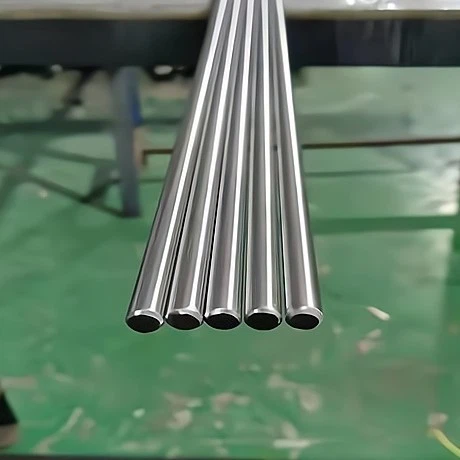

If you're in the market for high-quality titanium products and need more advice on storage and corrosion prevention, don't hesitate to reach out. We're here to help you make the most of your titanium purchases.
References
- ASM Handbook, Volume 13A: Corrosion: Fundamentals, Testing, and Protection
- NACE International - The Corrosion Society publications
