

Underwater environments pose unique challenges to materials, especially metals like silicon bronze. As a trusted silicon bronze supplier, we understand the importance of ensuring the longevity and performance of silicon bronze products submerged in water. In this blog, we'll explore various strategies to protect silicon bronze in underwater settings, taking into account the scientific principles and practical applications.
Understanding Silicon Bronze's Properties in Underwater Conditions
Silicon bronze is an alloy primarily composed of copper, silicon, and other elements such as tin, zinc, and aluminum. It is known for its excellent corrosion resistance, high strength, and good weldability. In underwater environments, silicon bronze is commonly used in applications such as shipbuilding, marine hardware, and underwater architecture.
However, the underwater environment can still take a toll on silicon bronze over time. Factors such as water chemistry, temperature, oxygen levels, and the presence of contaminants can all contribute to corrosion. For instance, saltwater contains high concentrations of chloride ions, which can accelerate the corrosion process by breaking down the protective oxide layer on the surface of the silicon bronze.
Surface Preparation and Coating
One of the most effective ways to protect silicon bronze in underwater environments is through proper surface preparation and coating. Before applying any coating, the surface of the silicon bronze must be thoroughly cleaned to remove dirt, grease, oxides, and other contaminants. This can be achieved through mechanical cleaning methods such as sandblasting or chemical cleaning with solvents.
Once the surface is clean, a suitable coating can be applied. There are several types of coatings available for protecting silicon bronze, including epoxy coatings, polyurethane coatings, and zinc-rich primers. Epoxy coatings are known for their excellent adhesion, chemical resistance, and durability, making them a popular choice for underwater applications. Polyurethane coatings offer good abrasion resistance and flexibility, while zinc-rich primers provide sacrificial protection by corroding preferentially to the silicon bronze.


When applying a coating, it is important to follow the manufacturer's instructions carefully. This includes ensuring the correct application thickness, allowing sufficient drying time between coats, and applying the coating in a controlled environment to prevent contamination.
Cathodic Protection
Cathodic protection is another widely used method for protecting metals, including silicon bronze, in underwater environments. This technique involves connecting the silicon bronze to a more active metal, known as a sacrificial anode, or to an external power source. The sacrificial anode corrodes preferentially to the silicon bronze, thereby protecting it from corrosion.
There are two main types of cathodic protection systems: sacrificial anode systems and impressed current systems. Sacrificial anode systems are relatively simple and cost-effective, making them suitable for small-scale applications. Common sacrificial anodes used for protecting silicon bronze include zinc, aluminum, and magnesium. The anode material is chosen based on the specific requirements of the application, such as the water chemistry and the level of protection needed.
Impressed current systems, on the other hand, use an external power source to supply a direct current to the silicon bronze structure. This current counteracts the natural corrosion process by making the silicon bronze a cathode. Impressed current systems are more complex and expensive than sacrificial anode systems, but they offer greater flexibility and can provide long-term protection for large-scale structures.
Monitoring and Maintenance
Regular monitoring and maintenance are essential for ensuring the effectiveness of the protection measures implemented for silicon bronze in underwater environments. This includes inspecting the surface of the silicon bronze for signs of corrosion, such as pitting, discoloration, or rust, and checking the coatings and cathodic protection systems for any damage or deterioration.
If any signs of corrosion are detected, appropriate corrective actions should be taken immediately. This may involve cleaning and recoating the affected areas, replacing damaged sacrificial anodes, or adjusting the parameters of the impressed current system. In addition, it is important to keep records of all inspections and maintenance activities to track the performance of the protection measures over time.
Choosing the Right Silicon Bronze Alloy
When selecting silicon bronze for underwater applications, it is important to choose the right alloy for the specific environment and requirements. Different silicon bronze alloys have different compositions and properties, which can affect their corrosion resistance and performance in underwater conditions.
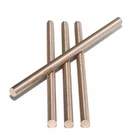
For example, C64200 Silicon Aluminium Bronze is a high-strength alloy that offers excellent corrosion resistance in seawater and other aggressive environments. It contains aluminum, which improves the alloy's strength and hardness, as well as silicon, which enhances its corrosion resistance.
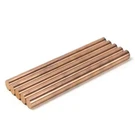
C65500 Silicon Bronze is another popular alloy for underwater applications. It is known for its good formability, weldability, and corrosion resistance in a variety of environments, including freshwater and saltwater.
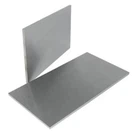
In addition, Silicon Bronze Plate is a versatile product that can be used in a wide range of underwater applications, such as ship hulls, marine platforms, and underwater pipelines. It is available in different thicknesses and sizes to meet the specific requirements of the project.
Conclusion
Protecting silicon bronze in underwater environments requires a comprehensive approach that takes into account the properties of the alloy, the specific environment, and the type of application. By following the strategies outlined in this blog, you can ensure the longevity and performance of your silicon bronze products in underwater settings.
As a leading silicon bronze supplier, we are committed to providing high-quality products and technical support to our customers. If you have any questions about silicon bronze or need assistance with choosing the right alloy for your underwater application, please don't hesitate to contact us. We look forward to discussing your project and helping you find the best solutions for protecting your silicon bronze in underwater environments.
References
-ASM Handbook Volume 13B: Corrosion: Materials, ASM International.
- Uhlig, H. H., & Revie, R. W. (2019). Corrosion and Corrosion Control: An Introduction to Corrosion Science and Engineering. Wiley.
- Jones, D. A. (1996). Principles and Prevention of Corrosion, 2nd Edition. Prentice Hall.