

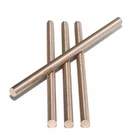
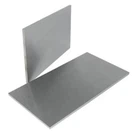


As a copper strip supplier, ensuring the safe transportation of our products is of utmost importance. Copper strips are widely used in various industries, including electronics, automotive, and construction, due to their excellent electrical conductivity, thermal conductivity, and corrosion resistance. However, transporting copper strips safely requires careful planning and execution to prevent damage and ensure the quality of the product upon arrival at its destination. In this blog post, I will share some key considerations and best practices for transporting copper strips safely.
Packaging
Proper packaging is the first line of defense in protecting copper strips during transportation. The packaging should be designed to prevent physical damage, such as scratches, dents, and bends, as well as to protect the strips from environmental factors, such as moisture and corrosion. Here are some packaging options to consider:
- Coil Wrapping: Copper strips are often supplied in coils. Wrapping the coils with a protective layer, such as plastic film or paper, can help prevent scratches and abrasions. Additionally, using a layer of cushioning material, such as foam or bubble wrap, can provide extra protection against impacts.
- Boxing: For smaller quantities of copper strips or for strips that are not in coil form, boxing can be a suitable packaging option. Use sturdy boxes that are the appropriate size for the strips and line the boxes with cushioning material to prevent movement and damage during transit.
- Palletizing: If transporting large quantities of copper strips, palletizing can be an efficient way to handle and move the products. Secure the coils or boxes to the pallets using straps or shrink wrap to prevent them from shifting during transportation.
Handling
Proper handling of copper strips during transportation is crucial to prevent damage. Here are some handling guidelines to follow:
- Use Appropriate Equipment: When loading and unloading copper strips, use equipment that is designed for handling heavy and delicate materials. Forklifts, cranes, and hoists should be equipped with the appropriate attachments, such as soft slings or clamps, to prevent damage to the strips.
- Avoid Rough Handling: Copper strips are relatively soft and can be easily damaged by rough handling. Avoid dropping, throwing, or dragging the strips during loading, unloading, and transportation.
- Stacking: When stacking copper strips, ensure that the stacks are stable and that the strips are not overloaded. Use spacers or separators between the layers of strips to prevent scratching and damage.
Transportation Mode
The choice of transportation mode can also impact the safety of copper strip transportation. Here are some transportation options to consider:
- Trucking: Trucking is a common mode of transportation for copper strips, especially for short to medium distances. When choosing a trucking company, ensure that they have experience in transporting delicate and valuable materials and that their trucks are equipped with the appropriate safety features, such as shock absorbers and tie-downs.
- Rail Transport: Rail transport can be a cost-effective option for transporting large quantities of copper strips over long distances. However, rail transport can also be more prone to vibrations and shocks, which can damage the strips. When using rail transport, ensure that the strips are properly packaged and secured to prevent movement and damage.
- Ocean Freight: For international shipments, ocean freight is often the preferred mode of transportation. When shipping copper strips by ocean, use a reputable freight forwarder who has experience in handling and transporting metal products. Ensure that the containers are properly sealed and protected against moisture and corrosion.
Environmental Considerations
Environmental factors can also have an impact on the safety of copper strip transportation. Here are some environmental considerations to keep in mind:
- Moisture and Humidity: Copper strips are susceptible to corrosion when exposed to moisture and humidity. To prevent corrosion, ensure that the packaging is moisture-resistant and that the transportation environment is dry. If transporting copper strips in a humid environment, consider using desiccants or moisture barriers in the packaging.
- Temperature: Extreme temperatures can also affect the quality of copper strips. Avoid exposing the strips to high temperatures, as this can cause the strips to become soft and more prone to damage. If transporting copper strips in hot weather, ensure that the transportation environment is properly ventilated and that the strips are not exposed to direct sunlight.
- Chemical Exposure: Copper strips can be damaged by exposure to certain chemicals, such as acids and alkalis. Avoid transporting copper strips in close proximity to chemicals or in environments where there is a risk of chemical exposure.
Insurance
Despite taking all the necessary precautions, there is always a risk of damage or loss during transportation. To protect your investment, it is recommended to purchase insurance for your copper strip shipments. Insurance can provide financial protection in the event of damage, loss, or theft during transportation.
Conclusion
Transporting copper strips safely requires careful planning, proper packaging, and appropriate handling. By following the guidelines outlined in this blog post, you can minimize the risk of damage and ensure the quality of your copper strip products upon arrival at their destination. If you are in the market for high-quality copper strips, we offer a wide range of products, including High Precision Copper Strip, Copper-Chromium-Zirconium Strips, and Pure Nickel Strip For Battery. If you have any questions or would like to discuss your copper strip requirements, please feel free to contact us for a consultation and to start the procurement negotiation process.


References
- ASTM International. (2023). ASTM B152/B152M - 22 Standard Specification for Copper Sheet, Strip, Plate, and Rolled Bar.
- International Maritime Organization. (2023). International Maritime Dangerous Goods (IMDG) Code.
- Occupational Safety and Health Administration. (2023). Hazard Communication Standard.