



Tellurium copper, an alloy composed primarily of copper with a small percentage of tellurium, offers a unique combination of properties that make it highly suitable for a variety of applications, including those in the concrete industry. As a leading supplier of tellurium copper products, we have witnessed firsthand the diverse and valuable uses of this alloy in concrete - related projects. In this blog, we will explore the common uses of tellurium copper in concrete applications.


Reinforcement in Concrete Structures
One of the most significant applications of tellurium copper in concrete is for reinforcement. Concrete, while strong in compression, is relatively weak in tension. To counteract this weakness, reinforcement materials are used to enhance the tensile strength of concrete structures. Tellurium copper, with its excellent mechanical properties, serves as an effective reinforcement option.
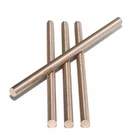
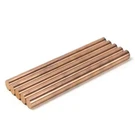
Tellurium copper bars Tellurium Copper Bar are often used in the construction of concrete slabs, beams, and columns. These bars can be bent and shaped easily to fit the specific design requirements of a structure. The addition of tellurium to copper improves the machinability of the alloy, allowing for precise fabrication of reinforcement bars. This ensures that the bars can be accurately placed within the concrete formwork, providing optimal support and strength to the structure.
Moreover, tellurium copper has good corrosion resistance. In concrete structures, especially those exposed to harsh environmental conditions such as moisture, chemicals, and saltwater, corrosion of reinforcement materials can lead to significant structural damage over time. The corrosion - resistant nature of tellurium copper helps to extend the service life of concrete structures by preventing the deterioration of the reinforcement bars. This reduces the need for frequent maintenance and repair, ultimately saving costs in the long run.
Electrical Conductivity in Concrete
Concrete structures sometimes require electrical conductivity for various purposes, such as grounding systems and electromagnetic shielding. Tellurium copper is an ideal material for these applications due to its high electrical conductivity.
Tellurium copper wire Tellurium Copper Wire can be embedded within the concrete to create an electrical pathway. In grounding systems, the wire provides a low - resistance path for electrical currents to flow safely into the ground, protecting the structure and its occupants from electrical hazards. For electromagnetic shielding, the conductive wire helps to block or reduce the penetration of electromagnetic waves, ensuring the proper functioning of sensitive electronic equipment within the building.
The excellent formability of tellurium copper wire allows it to be easily integrated into the concrete during the construction process. It can be arranged in a grid pattern or other configurations to achieve the desired electrical performance. Additionally, the corrosion resistance of tellurium copper ensures that the electrical conductivity of the wire remains stable over time, even in the presence of moisture and other corrosive agents within the concrete.
Formwork and Molds
Tellurium copper is also used in the production of formwork and molds for concrete casting. Formwork is the temporary structure that holds the wet concrete in place until it hardens, while molds are used to create pre - cast concrete elements.
The high machinability of tellurium copper makes it an ideal material for fabricating intricate formwork and molds. It can be precisely machined to produce smooth surfaces and complex shapes, ensuring that the final concrete products have accurate dimensions and high - quality finishes. Tellurium copper's good thermal conductivity is another advantage in this application. During the concrete curing process, heat is generated as the concrete hardens. The high thermal conductivity of tellurium copper allows for efficient heat transfer, which helps to control the curing rate of the concrete and reduces the risk of cracking and other defects.
Tellurium Copper C109 Tellurium Copper C109 is a popular grade of tellurium copper used in formwork and mold applications. Its combination of mechanical properties, machinability, and corrosion resistance makes it well - suited for the demanding requirements of concrete casting.
Joints and Connections
In large - scale concrete structures, joints and connections are essential for accommodating movement, expansion, and contraction of the concrete due to temperature changes and other factors. Tellurium copper is used in the fabrication of joint components and connectors.
Tellurium copper components can be designed to provide a flexible yet strong connection between different concrete elements. The alloy's ductility allows it to withstand the stresses and strains associated with movement in the structure without breaking. At the same time, its corrosion resistance ensures the long - term integrity of the joints and connections.
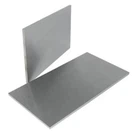
For example, tellurium copper plates or strips can be used as expansion joints in concrete pavements and bridges. These joints allow the concrete to expand and contract freely, preventing the formation of cracks and damage to the structure. The machinability of tellurium copper enables the production of custom - designed joint components that can fit the specific requirements of each project.
Chemical Resistance in Concrete Additives
In some cases, tellurium copper can be used as an additive in concrete mixtures to enhance its chemical resistance. When small amounts of tellurium copper particles are incorporated into the concrete, they can react with certain chemicals in the environment to form a protective layer on the surface of the concrete.
This protective layer helps to prevent the penetration of aggressive chemicals, such as acids, alkalis, and salts, into the concrete. As a result, the concrete becomes more resistant to chemical attack, which is particularly important in industrial settings where the concrete may be exposed to harsh chemicals. The use of tellurium copper as an additive can also improve the durability of concrete structures in marine environments, where the concrete is constantly exposed to saltwater.
Conclusion
The common uses of tellurium copper in concrete applications are diverse and far - reaching. From reinforcement and electrical conductivity to formwork and chemical resistance, tellurium copper offers a range of benefits that enhance the performance and durability of concrete structures. As a reliable supplier of tellurium copper products, we are committed to providing high - quality materials that meet the specific needs of the concrete industry.
If you are involved in a concrete project and are interested in using tellurium copper, we invite you to contact us for a detailed discussion about your requirements. Our team of experts is ready to assist you in selecting the right tellurium copper products and providing technical support throughout your project.
References
- ASM Handbook, Volume 2: Properties and Selection: Nonferrous Alloys and Special - Purpose Materials. ASM International.
- Concrete Construction Handbook. McGraw - Hill Professional.
- Metals Handbook Desk Edition, Third Edition. ASM International.