

Hey there! As a copper pipe supplier, I often get asked whether copper pipes are compliant with building codes. It's a super important question, especially when you're in the construction or renovation business. So, let's dive right in and explore this topic.
First off, what are building codes? Well, building codes are sets of rules that define the standards for constructed objects like buildings and non-building structures. They're there to ensure the safety, health, and general welfare of people who use the structures. These codes cover everything from structural integrity to fire safety, and yes, the materials used in construction, including pipes.
Now, copper pipes have been around for ages. They've been a staple in plumbing systems for decades, and for good reason. Copper is a durable, corrosion-resistant, and highly malleable material. These properties make it ideal for use in various building applications, especially plumbing.

One of the main reasons copper pipes are widely accepted in building codes is their safety. Copper is a naturally hygienic material. It doesn't promote the growth of bacteria or other harmful microorganisms. This is crucial when it comes to carrying drinking water. You definitely don't want your water supply contaminated with harmful bugs, right?

Another important factor is durability. Copper pipes can last for a really long time, often up to 50 years or more. This means that once they're installed, you don't have to worry about frequent replacements. They can withstand high pressures and temperatures, making them suitable for both hot and cold water systems.
In terms of fire safety, copper is non-combustible. It won't contribute to the spread of fire in a building, which is a huge plus from a building code perspective. Fire codes often require materials that won't fuel a fire, and copper pipes fit the bill perfectly.
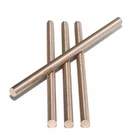
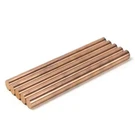
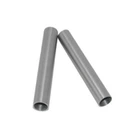
Now, let's talk about the different types of copper pipes we offer. We have the Red Copper Pipe. Red copper pipes are known for their high thermal conductivity. This makes them great for applications where heat transfer is important, like in heating systems. They're also very malleable, which means they can be easily bent and shaped during installation.
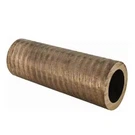
Then there's the Oxygen Free Copper Pipe. As the name suggests, these pipes have a very low oxygen content. This makes them highly resistant to oxidation and corrosion, especially in high-temperature environments. They're often used in electrical applications as well as in some specialized plumbing systems.
We also have the TP1 TP2 Copper Pipe. These pipes are made from high-quality copper alloys. They have excellent mechanical properties and are suitable for a wide range of applications, including plumbing, refrigeration, and air conditioning systems.
When it comes to building code compliance, different regions may have different requirements. Some areas may have specific standards for the thickness of copper pipes, the type of joints used, or the way the pipes are installed. It's always a good idea to check with your local building department to make sure you're following all the relevant codes.

For example, in some places, copper pipes used for drinking water may need to meet certain lead-free requirements. This is to protect the health of the people using the water. Our copper pipes are carefully manufactured to meet these and other standards. We work closely with industry experts and regulatory bodies to ensure that our products are always up to par.
In addition to local building codes, there are also national and international standards for copper pipes. For instance, in the United States, the ASTM (American Society for Testing and Materials) has developed a series of standards for copper pipes. These standards cover everything from the chemical composition of the copper to the physical properties of the pipes.
Our copper pipes are manufactured in accordance with these standards. This means that you can be confident that when you buy our pipes, they'll meet the requirements of most building codes.
But building code compliance isn't just about the pipes themselves. It's also about how they're installed. Proper installation is crucial to ensure that the pipes work correctly and safely. That's why we provide detailed installation instructions with our products. We also offer technical support to help you with any installation questions you may have.

When you're installing copper pipes, make sure you use the right tools and techniques. For example, when joining copper pipes, you should use proper soldering or brazing methods. This will ensure a strong and leak-free connection.
Another important aspect of installation is proper support. Copper pipes need to be properly supported to prevent sagging or damage over time. Make sure you use the right type of hangers and brackets, and space them out correctly according to the pipe size and the installation environment.
So, to sum it up, copper pipes are generally compliant with building codes. They offer a range of benefits, including safety, durability, and corrosion resistance. We offer a variety of copper pipes, such as Red Copper Pipe, Oxygen Free Copper Pipe, and TP1 TP2 Copper Pipe, all of which are manufactured to meet industry standards.
If you're in the market for high-quality copper pipes that comply with building codes, we'd love to hear from you. Whether you're a contractor, a builder, or a DIY enthusiast, we have the right copper pipes for your project. Don't hesitate to reach out and start a conversation about your copper pipe needs. We're here to help you make the best choice for your building or renovation project.
References
- ASTM International standards for copper pipes
- Local building department regulations and guidelines