

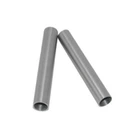
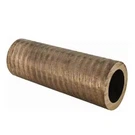
Hey there! As a copper pipe supplier, I often get asked if copper pipes can be used in a radiant floor heating system. Well, the short answer is yes, and in this blog, I'll dive deep into why copper pipes are a great choice for radiant floor heating and share some key points you should know.
Why Copper Pipes Rock for Radiant Floor Heating
Excellent Heat Transfer
One of the main reasons copper pipes are ideal for radiant floor heating is their amazing heat transfer properties. Copper is a highly conductive metal. This means it can quickly and efficiently transfer heat from the hot water flowing inside the pipes to the floor above. When you have a well - designed radiant floor heating system with copper pipes, you'll notice that your floors heat up faster and distribute warmth evenly throughout the room.
Imagine coming home on a cold winter day and stepping on a warm floor almost immediately. That's the magic of copper pipes' heat transfer capabilities. Unlike some other materials, copper doesn't waste heat. It gets the job done, making your home cozy and energy - efficient.
Durability
Copper is a tough material. It can withstand high temperatures and pressure, which are common in radiant floor heating systems. The hot water that circulates through the pipes can reach relatively high temperatures, and copper pipes won't crack or break easily. They also have good corrosion resistance, especially if you use high - quality copper pipes like the Oxygen Free Copper Pipe.
These pipes are designed to be more resistant to oxidation and corrosion, ensuring a long lifespan for your radiant floor heating system. You won't have to worry about frequent replacements or leaks, which can save you a lot of money and hassle in the long run.
Flexibility
Copper pipes are quite flexible. This makes them easy to install in a radiant floor heating system. You can bend the pipes around corners and obstacles without having to use a lot of joints or connectors. Fewer joints mean fewer potential leak points, which is a big plus for the reliability of your system.
Whether you're installing the pipes in a new construction or retrofitting an existing floor, the flexibility of copper pipes allows for a more seamless installation process. You can customize the layout of the pipes to fit the specific needs of your space, ensuring optimal heat distribution.
Types of Copper Pipes for Radiant Floor Heating
TP1 TP2 Copper Pipe
The TP1 TP2 Copper Pipe is a popular choice for radiant floor heating. TP1 and TP2 copper pipes have different levels of purity and oxygen content, which affects their performance. TP2 copper pipes, for example, are more commonly used in plumbing applications because they have a lower oxygen content, which reduces the risk of oxidation and corrosion.
These pipes are suitable for the hot water environment in a radiant floor heating system. They can handle the pressure and temperature requirements while maintaining their integrity over time. If you're looking for a reliable and cost - effective option for your radiant floor heating, TP1 TP2 copper pipes are definitely worth considering.
Straight Threaded Copper Pipe
The Straight Threaded Copper Pipe is another option. These pipes have a threaded end, which makes them easy to connect to other components in the radiant floor heating system, such as valves and manifolds. The threaded connection provides a secure and leak - proof joint, ensuring the smooth operation of the system.
Straight threaded copper pipes are also easy to install and can be adjusted or replaced if needed. They are a great choice for both DIY projects and professional installations.
Installation Considerations
Proper Insulation
When installing copper pipes for a radiant floor heating system, proper insulation is crucial. Insulating the pipes helps to prevent heat loss, which improves the energy efficiency of the system. You can use insulation materials like foam sleeves or fiberglass wraps to cover the pipes.
Make sure to insulate the pipes in areas where they are exposed, such as in the basement or crawl space. This will ensure that most of the heat is transferred to the floor and not wasted in the surrounding environment.
Pipe Size
Choosing the right pipe size is important for the performance of your radiant floor heating system. The size of the pipes will depend on factors such as the size of the room, the heat output required, and the flow rate of the hot water.
Generally, larger pipes can handle a higher flow rate and provide more heat, but they also require more energy to circulate the water. Smaller pipes may be more suitable for smaller rooms or areas with lower heat requirements. It's a good idea to consult with a professional or use a sizing calculator to determine the appropriate pipe size for your specific needs.
Pressure Testing
After installing the copper pipes, it's essential to perform a pressure test. This involves filling the pipes with water and pressurizing them to check for any leaks. A pressure test can help you identify and fix any issues before you start using the radiant floor heating system.


You can use a pressure gauge to monitor the pressure and make sure it remains stable over a period of time. If you notice a drop in pressure, it could indicate a leak in the system, and you'll need to locate and repair it.
Maintenance
Regular Inspections
To keep your radiant floor heating system with copper pipes in good condition, it's important to conduct regular inspections. Check the pipes for any signs of corrosion, leaks, or damage. Look for discoloration, water stains, or drips around the joints and connections.
Inspecting the pipes at least once a year can help you catch any potential problems early and prevent more serious issues from developing. You can also have a professional plumber perform a more thorough inspection every few years.
Water Treatment
The quality of the water in your radiant floor heating system can affect the lifespan of the copper pipes. Hard water, which contains high levels of minerals like calcium and magnesium, can cause scale buildup inside the pipes. This can reduce the flow rate of the water and affect the heat transfer efficiency.
To prevent scale buildup, you can use a water softener or a water treatment system. These devices can remove the minerals from the water, ensuring that the pipes remain clean and functional.
Conclusion
So, there you have it! Copper pipes are definitely a great choice for a radiant floor heating system. Their excellent heat transfer properties, durability, flexibility, and ease of installation make them a top option for both residential and commercial applications.
If you're considering installing a radiant floor heating system or need to replace the pipes in an existing system, I'd love to help you find the right copper pipes for your needs. Whether you're interested in Oxygen Free Copper Pipe, TP1 TP2 Copper Pipe, or Straight Threaded Copper Pipe, I can provide you with high - quality products and expert advice.
Don't hesitate to reach out to me if you have any questions or want to discuss your project. Let's work together to create a warm and comfortable environment with a reliable radiant floor heating system using copper pipes.
References
- ASHRAE Handbook: HVAC Systems and Equipment. American Society of Heating, Refrigerating and Air - Conditioning Engineers.
- Copper Development Association (CDA) Technical Publications.
- "Plumbing Engineering: Design and Installation" by James A. Dossett.