

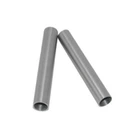
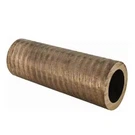
Hey there! As a supplier of Phosphor Bronze, I've got a ton of insights to share about how it stacks up against other bronzes. So, let's dive right in and explore the world of Phosphor Bronze and its counterparts.
What is Phosphor Bronze?
First things first, let's understand what Phosphor Bronze is. It's an alloy made up of copper, tin, and a small amount of phosphorus. The addition of phosphorus gives this bronze some unique properties that set it apart from other types of bronzes.
Phosphor Bronze comes in different grades, like C52400 Phosphor Bronze and C5191 Phosphor Bronze. Each grade has its own specific composition and characteristics, which make them suitable for different applications.
Comparing Phosphor Bronze with Other Bronzes
1. Strength and Durability
One of the key advantages of Phosphor Bronze is its high strength and durability. Compared to some other bronzes, it can withstand more stress and wear. For example, in applications where parts are subject to constant friction or heavy loads, Phosphor Bronze is often the go-to choice.
Let's take a look at a regular bronze alloy. While it might be strong, Phosphor Bronze has an edge due to the phosphorus content. The phosphorus helps in forming a fine-grained structure, which enhances the alloy's mechanical properties. This means that Phosphor Bronze components can last longer and require less frequent replacement.
2. Corrosion Resistance
Corrosion is a big concern in many industries. Phosphor Bronze has excellent corrosion resistance, especially in marine and chemical environments. When exposed to saltwater or certain chemicals, it forms a protective oxide layer on its surface, which prevents further corrosion.
In contrast, some other bronzes may not be as resistant to corrosion. They might start to degrade over time, leading to a loss of functionality and an increase in maintenance costs. So, if you're looking for a bronze alloy that can stand up to harsh conditions, Phosphor Bronze is a great option.
3. Electrical Conductivity
Electrical conductivity is another important factor, especially in the electronics industry. Phosphor Bronze has good electrical conductivity, although it's not as high as some pure copper alloys. However, its other properties, such as strength and corrosion resistance, make it a well-rounded choice for electrical applications.
For example, in connectors and springs used in electronic devices, Phosphor Bronze can provide both the necessary electrical conductivity and the mechanical stability required for reliable performance. Other bronzes might not offer the same balance of properties, which could limit their use in these applications.
4. Machinability
When it comes to machining, Phosphor Bronze is relatively easy to work with. It can be cut, drilled, and shaped using standard machining techniques. This makes it a popular choice for manufacturers who need to produce complex parts.
Some other bronzes may be more difficult to machine. They might have a tendency to stick to cutting tools or produce a lot of chips, which can slow down the machining process. Phosphor Bronze's good machinability means that it can be processed more efficiently, reducing production time and costs.
Applications of Phosphor Bronze
1. Electrical and Electronic Components
As mentioned earlier, Phosphor Bronze is widely used in the electrical and electronic industries. It's used to make connectors, springs, switches, and other components. Its combination of electrical conductivity, strength, and corrosion resistance makes it ideal for these applications.
For example, in mobile phones and laptops, Phosphor Bronze springs are used to ensure a reliable electrical connection between different parts. The springs need to be strong enough to maintain contact, but also flexible enough to withstand repeated use. Phosphor Bronze fits the bill perfectly.
2. Marine Industry
In the marine industry, Phosphor Bronze is used for a variety of applications. It's used to make propellers, bearings, and other components that are exposed to saltwater. Its corrosion resistance and high strength make it suitable for these harsh environments.
For instance, Phosphor Bronze Tube is commonly used in marine plumbing systems. The tubes need to be able to resist corrosion and maintain their integrity over long periods of time. Phosphor Bronze tubes can do just that.


3. Musical Instruments
Phosphor Bronze is also used in the manufacturing of musical instruments. It's often used for guitar strings and other parts of stringed instruments. The alloy's unique combination of tone, flexibility, and durability makes it a favorite among musicians.
Compared to other materials, Phosphor Bronze strings can produce a rich, warm tone. They also have a longer lifespan, which means that musicians don't have to change their strings as often.
Why Choose Our Phosphor Bronze?
As a supplier of Phosphor Bronze, we take pride in offering high-quality products. We source our materials from reliable suppliers and use advanced manufacturing processes to ensure that our Phosphor Bronze meets the highest standards.
Our team of experts is always available to provide technical support and advice. Whether you're not sure which grade of Phosphor Bronze is right for your application or you need help with machining or installation, we're here to assist you.
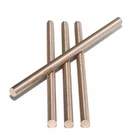
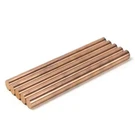
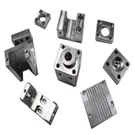
We also offer a wide range of Phosphor Bronze products, including sheets, bars, tubes, and custom-made components. So, no matter what your requirements are, we can probably meet them.
Contact Us for Your Phosphor Bronze Needs
If you're interested in purchasing Phosphor Bronze for your project, we'd love to hear from you. We can provide you with detailed product information, samples, and competitive quotes.
Whether you're a small business or a large corporation, we're committed to providing you with the best service and the highest quality Phosphor Bronze products. So, don't hesitate to reach out and start a conversation with us.
References
- "Metals Handbook: Properties and Selection: Nonferrous Alloys and Pure Metals." ASM International.
- "Corrosion Resistance of Copper Alloys." Copper Development Association.
- "Mechanical Properties of Phosphor Bronze Alloys." Journal of Materials Science.