

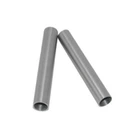
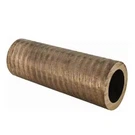
Oxygen free copper (OFC) is a highly sought-after material in various industries due to its exceptional electrical and thermal conductivity, corrosion resistance, and malleability. As a supplier of oxygen free copper, I've witnessed firsthand how the quality of this material significantly impacts its price. In this blog post, I'll delve into the key factors that determine the quality of oxygen free copper and how they translate into pricing.
Purity Levels
One of the most critical factors influencing the quality and price of oxygen free copper is its purity level. Oxygen free copper is typically classified into different grades based on the amount of oxygen and other impurities present in the material. The higher the purity, the lower the oxygen content and other contaminants, resulting in better electrical and thermal conductivity.
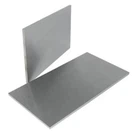
The most common grades of oxygen free copper include C10100, C1020, and C1030. C10100 is the purest grade, with an oxygen content of less than 0.0005% and a minimum copper content of 99.99%. This high level of purity makes it ideal for applications that require the highest levels of electrical conductivity, such as high-frequency electrical cables, vacuum tubes, and semiconductor manufacturing. You can find more information about C10100 Copper Sheet on our website.
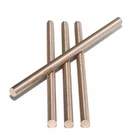
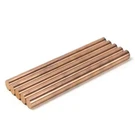
C1020, also known as oxygen-free electronic (OFE) copper, has an oxygen content of less than 0.001% and a minimum copper content of 99.95%. It is widely used in electrical applications where high conductivity and good formability are required, such as bus bars, transformers, and electrical connectors. Our C1020 Conductive Copper products are available in various forms to meet your specific needs.
C1030 has a slightly higher oxygen content of up to 0.003% and a minimum copper content of 99.90%. It is often used in applications where a balance between conductivity and cost is required, such as general electrical wiring and plumbing.
As you can see, the higher the purity level of oxygen free copper, the more expensive it tends to be. This is because achieving higher purity levels requires more advanced refining processes and stricter quality control measures, which increase the production cost.
Manufacturing Processes
The manufacturing processes used to produce oxygen free copper also play a significant role in determining its quality and price. There are two main methods for producing oxygen free copper: the electrolytic refining process and the fire refining process.


The electrolytic refining process is the most common method for producing high-purity oxygen free copper. In this process, impure copper is dissolved in an electrolyte solution and then electroplated onto a cathode. The impurities are left behind in the electrolyte solution, resulting in a highly pure copper product. This process allows for precise control of the copper's purity and composition, making it suitable for applications that require the highest levels of quality. However, the electrolytic refining process is more expensive than the fire refining process due to the high energy consumption and the need for specialized equipment.
The fire refining process involves melting the copper in a furnace and adding a reducing agent to remove the oxygen and other impurities. This process is less expensive than the electrolytic refining process but is not as effective in removing all impurities. As a result, the copper produced by the fire refining process may have a slightly lower purity level and may not be suitable for applications that require the highest levels of electrical conductivity.
In addition to the refining process, other manufacturing processes such as casting, rolling, and drawing can also affect the quality of oxygen free copper. For example, improper casting techniques can result in the formation of defects such as porosity and inclusions, which can reduce the material's conductivity and mechanical properties. Similarly, poor rolling and drawing processes can lead to uneven thickness and surface roughness, which can affect the performance of the final product.
Physical Properties
The physical properties of oxygen free copper, such as its density, hardness, and ductility, can also influence its quality and price. These properties are determined by the copper's purity level, manufacturing processes, and heat treatment.
Density is an important property of oxygen free copper as it affects its weight and volume. Higher purity copper tends to have a higher density, which can make it more expensive due to the increased amount of copper per unit volume.
Hardness is another important property of oxygen free copper as it affects its machinability and wear resistance. Copper with a higher hardness level is more difficult to machine but may be more suitable for applications that require high wear resistance, such as electrical contacts and bearings.
Ductility is the ability of a material to deform under tensile stress without breaking. Oxygen free copper is known for its high ductility, which makes it easy to form into various shapes and sizes. However, the ductility of copper can be affected by its purity level and heat treatment. Copper with a higher purity level and proper heat treatment tends to have better ductility, which can increase its value in applications that require extensive forming and shaping.
Market Demand and Supply
The market demand and supply for oxygen free copper also play a significant role in determining its price. The demand for oxygen free copper is driven by various industries, including electronics, electrical, automotive, and telecommunications. As these industries continue to grow and evolve, the demand for high-quality oxygen free copper is expected to increase.
On the other hand, the supply of oxygen free copper is limited by the availability of raw materials and the capacity of copper refineries. The production of oxygen free copper requires high-quality copper ore and advanced refining processes, which can be costly and time-consuming. As a result, the supply of oxygen free copper may not always keep up with the demand, leading to price fluctuations.
In addition to market demand and supply, other factors such as geopolitical events, trade policies, and currency exchange rates can also affect the price of oxygen free copper. For example, political instability in copper-producing countries can disrupt the supply of copper ore, leading to an increase in the price of oxygen free copper. Similarly, changes in trade policies and currency exchange rates can affect the cost of importing and exporting copper, which can also impact its price.
Conclusion
In conclusion, the quality of oxygen free copper has a significant impact on its price. Factors such as purity levels, manufacturing processes, physical properties, and market demand and supply all play a role in determining the value of this material. As a supplier of oxygen free copper, we understand the importance of providing high-quality products at competitive prices. We offer a wide range of oxygen free copper products, including C10100 Copper Sheet, C1020 Conductive Copper, and Small Size Copper Capillary Tube, to meet the diverse needs of our customers.
If you're interested in purchasing oxygen free copper for your next project, we encourage you to contact us for more information. Our team of experts can help you select the right grade and form of oxygen free copper based on your specific requirements and budget. We look forward to working with you and providing you with the highest quality oxygen free copper products and services.
References
- ASM Handbook, Volume 2: Properties and Selection: Nonferrous Alloys and Special-Purpose Materials, ASM International, 1990.
- Metals Handbook, Volume 1: Properties and Selection: Irons, Steels, and High-Performance Alloys, ASM International, 1990.
- Copper Development Association, Inc., Copper Handbook, 10th Edition, 2004.