

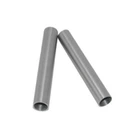
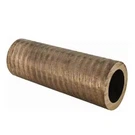
As a supplier of Beryllium Copper, I often get asked about the castability of this remarkable alloy. In this blog post, I'll delve into what castability means in the context of Beryllium Copper, the factors that influence it, and why it matters for various applications.
Understanding Castability
Castability refers to the ease with which a metal or alloy can be melted, poured into a mold, and solidify to form a desired shape with minimal defects. A highly castable material fills the mold cavity completely, reproduces fine details accurately, and has good fluidity during the casting process. For Beryllium Copper, castability is a crucial property as it allows for the production of complex shapes and components used in a wide range of industries.
Factors Affecting the Castability of Beryllium Copper
1. Chemical Composition
The chemical composition of Beryllium Copper plays a significant role in its castability. Beryllium Copper typically contains beryllium in the range of 0.2% - 2.0% along with other elements such as cobalt, nickel, and iron. These alloying elements are carefully selected to enhance specific properties. For example, beryllium improves strength, hardness, and electrical conductivity, while other elements help control the melting point, fluidity, and shrinkage during solidification. A well - balanced chemical composition ensures that the alloy has the right combination of properties for successful casting.
2. Melting Point
Beryllium Copper has a relatively high melting point compared to some other metals. The melting point can vary depending on the specific grade of the alloy but generally falls in the range of 1,000 - 1,150 °C (1,832 - 2,102 °F). This higher melting point requires more energy during the melting process but also allows for better control over the casting operation. The molten alloy remains in a liquid state for a sufficient time to fill the mold completely before solidifying.
3. Fluidity
Fluidity is a measure of how easily a molten metal can flow through a mold. In Beryllium Copper, good fluidity is essential for filling intricate mold cavities and producing high - quality castings. The fluidity of Beryllium Copper is influenced by factors such as temperature, chemical composition, and the presence of impurities. Higher temperatures generally increase fluidity, but there is a limit as excessive heat can cause oxidation and other issues. The alloying elements in Beryllium Copper are optimized to maintain good fluidity within the practical temperature range used for casting.
4. Shrinkage
Shrinkage occurs when the molten metal solidifies and contracts. Beryllium Copper has a predictable shrinkage rate, which is an advantage in casting. By understanding the shrinkage characteristics of the alloy, foundry workers can design molds with appropriate allowances to compensate for shrinkage. This ensures that the final cast part has the correct dimensions and tolerances.
Benefits of Good Castability in Beryllium Copper
1. Complex Shape Production
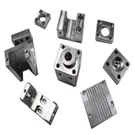
The excellent castability of Beryllium Copper allows for the production of complex shapes that would be difficult or impossible to achieve through other manufacturing methods. This is particularly useful in industries such as aerospace, automotive, and electronics, where components often have intricate geometries. For example, in aerospace applications, Beryllium Copper castings can be used to create lightweight yet strong parts with complex internal structures.
2. High - Quality Surface Finish
A highly castable Beryllium Copper alloy can produce castings with a smooth and uniform surface finish. This reduces the need for extensive post - casting machining and finishing operations, saving time and cost. The good surface finish also enhances the aesthetic appeal of the final product and can improve its performance in applications where surface quality is critical, such as electrical contacts.
3. Cost - Effectiveness
The ability to cast Beryllium Copper into near - net shapes reduces material waste and machining time. This makes the casting process a cost - effective option for producing large quantities of components. Additionally, the predictable casting properties of Beryllium Copper allow for efficient production planning and reduced scrap rates, further contributing to cost savings.
Applications of Cast Beryllium Copper
1. Electrical and Electronic Industry
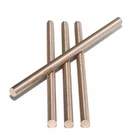
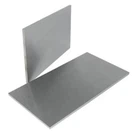
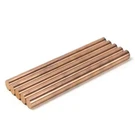
In the electrical and electronic industry, C17300 Beryllium Copper Bar and Beryllium Copper Plate are widely used. Cast Beryllium Copper components are used in connectors, switches, relays, and printed circuit board (PCB) fixtures. The high electrical conductivity, good corrosion resistance, and excellent castability of Beryllium Copper make it an ideal material for these applications.
2. Tooling and Mold Making
Beryllium Copper's castability and high thermal conductivity make it suitable for tooling and mold making. Cast Beryllium Copper molds can be used for injection molding, die casting, and other forming processes. The alloy's ability to quickly transfer heat helps in reducing cycle times and improving the quality of the molded parts.


3. Defense and Aerospace
In the defense and aerospace sectors, Beryllium Copper castings are used in a variety of applications, including missile components, aircraft landing gear parts, and avionics housings. The high strength - to - weight ratio, good fatigue resistance, and excellent castability of Beryllium Copper make it a preferred material for these critical applications.
Challenges in Casting Beryllium Copper
1. Health and Safety Concerns
Beryllium is a toxic element, and proper safety precautions must be taken during the casting process. Foundries need to have strict ventilation systems and personal protective equipment (PPE) in place to prevent workers from inhaling beryllium dust or fumes. Additionally, waste management and disposal of beryllium - containing materials must comply with environmental regulations.
2. Oxidation
Beryllium Copper is prone to oxidation at high temperatures. Oxidation can lead to the formation of oxides on the surface of the molten alloy, which can affect the quality of the castings. To prevent oxidation, foundries often use protective atmospheres or fluxes during the melting and casting process.
Welding and Post - Casting Operations
After casting, Beryllium Copper components may require welding or other post - casting operations. Welding Beryllium Copper requires special techniques and precautions due to the presence of beryllium. Welding can be challenging because of the high melting point and the potential for cracking. However, with proper training and the use of appropriate welding consumables, high - quality welds can be achieved.
Conclusion
The castability of Beryllium Copper is a complex yet important property that enables the production of high - quality components for a wide range of industries. By understanding the factors that influence castability, such as chemical composition, melting point, fluidity, and shrinkage, foundries can optimize the casting process to produce parts with the desired properties. Despite the challenges associated with casting Beryllium Copper, such as health and safety concerns and oxidation, the benefits of using this alloy far outweigh the difficulties.
If you are interested in purchasing Beryllium Copper products for your specific applications, I encourage you to reach out to us for further discussion. We have a wide range of Beryllium Copper alloys available and can provide you with detailed information on their properties and suitability for your needs. Contact us today to start a conversation about your procurement requirements.
References
- Metals Handbook, Volume 15: Casting, ASM International
- Beryllium Copper Alloys: Properties, Processing, and Applications, American Foundry Society
- Research papers on Beryllium Copper casting technology from various industry - related journals