

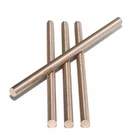
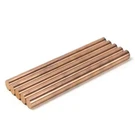
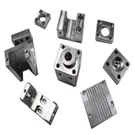
Hey there! As a copper bar supplier, I've seen firsthand how crucial it is to treat copper bars properly to boost their performance. In this blog, I'll share some tips and tricks on how you can do just that.
Understanding the Basics of Copper Bars
First things first, let's talk a bit about copper bars themselves. Copper is an amazing metal. It's got excellent electrical and thermal conductivity, high ductility, and good corrosion resistance. These properties make copper bars super useful in a wide range of industries, from electrical and electronics to construction and manufacturing.
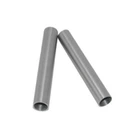
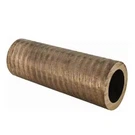
We offer different types of copper bars, such as Brass Alloy Bar, ASTM B187 Copper Bar, and Tungsten Copper Alloy Bar. Each type has its own unique characteristics and applications, so it's important to choose the right one for your needs.
Heat Treatment
One of the most common ways to improve the performance of copper bars is through heat treatment. Heat treatment involves heating the copper bar to a specific temperature and then cooling it at a controlled rate. This process can change the microstructure of the copper, which in turn can enhance its mechanical properties.


- Annealing: This is a type of heat treatment where the copper bar is heated to a high temperature and then slowly cooled. Annealing can reduce the hardness of the copper, making it more ductile and easier to work with. It can also relieve internal stresses in the bar, which is especially important if the bar has been cold-worked.
- Quenching and Tempering: Quenching involves heating the copper bar to a high temperature and then rapidly cooling it in a liquid, such as water or oil. This can increase the hardness of the copper. However, quenched copper can be brittle, so it's often followed by tempering. Tempering is a process where the quenched copper is heated to a lower temperature and then cooled slowly. This can reduce the brittleness and improve the toughness of the copper.
Surface Treatment
Another important aspect of treating copper bars is surface treatment. The surface of a copper bar can affect its performance in many ways, such as its corrosion resistance, electrical conductivity, and appearance.
- Plating: Plating is a common surface treatment method where a thin layer of another metal is deposited on the surface of the copper bar. For example, nickel plating can improve the corrosion resistance of the copper bar, while silver plating can enhance its electrical conductivity.
- Passivation: Passivation is a chemical treatment process that forms a thin, protective oxide layer on the surface of the copper bar. This layer can prevent the copper from reacting with oxygen and other substances in the environment, thus improving its corrosion resistance.
Alloying
Alloying is the process of adding other elements to copper to form an alloy. By alloying, we can improve the performance of copper bars in various ways.
- Strength and Hardness: Adding elements like zinc, tin, or aluminum to copper can increase the strength and hardness of the copper bar. For example, brass is a copper-zinc alloy that is stronger and harder than pure copper.
- Special Properties: Some elements can give copper bars special properties. For instance, adding tungsten to copper can create a Tungsten Copper Alloy Bar with high thermal conductivity and good wear resistance, which is ideal for applications in high-temperature environments.
Machining and Finishing
Proper machining and finishing processes are also essential for improving the performance of copper bars.
- Machining: During machining, it's important to use the right cutting tools and parameters to ensure a smooth and accurate cut. This can prevent defects on the surface of the copper bar, such as rough edges or cracks, which can affect its performance.
- Finishing: After machining, finishing processes like polishing or grinding can be applied to improve the surface finish of the copper bar. A smooth surface can reduce friction and wear, and also enhance the appearance of the bar.
Quality Control
Throughout the treatment process, quality control is crucial. We need to ensure that the copper bars meet the required standards and specifications. This involves testing the bars for various properties, such as hardness, conductivity, and corrosion resistance.
At our company, we have a strict quality control system in place. We use advanced testing equipment and techniques to ensure the quality of our copper bars. This way, we can guarantee that our customers get high-quality products that perform well in their applications.
Conclusion
Treating copper bars properly is essential for improving their performance. Whether it's through heat treatment, surface treatment, alloying, machining, or quality control, each step plays an important role in enhancing the properties of the copper bars.
If you're in the market for high-quality copper bars and want to learn more about how we can treat them to meet your specific needs, don't hesitate to reach out and start a discussion. We're always here to help you find the best solutions for your projects.
References
- ASM Handbook Committee. (2000). ASM Handbook Volume 4A: Heat Treating Fundamentals and Processes. ASM International.
- Lloyd, D. J. (1994). Copper and copper alloys. In Principles of Extractive Metallurgy (pp. 107 - 136). Elsevier.
- Totten, G. E., & Mackenzie, D. S. (2003). Handbook of Aluminum Forming. CRC Press.