


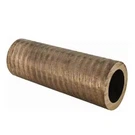
The global shift towards renewable energy sources has spurred a surge in demand for materials that can enhance the efficiency, durability, and performance of renewable energy systems. Among these materials, copper iron alloy stands out as a promising candidate, offering a unique combination of properties that make it well - suited for a variety of applications in the renewable energy sector. As a leading supplier of copper iron alloy, I am excited to explore the potential uses of this remarkable material in renewable energy systems.
1. Solar Energy Systems
Solar energy is one of the most abundant and accessible sources of renewable energy. Copper iron alloy can play a crucial role in various components of solar energy systems, from photovoltaic (PV) panels to solar thermal collectors.


Photovoltaic Panels
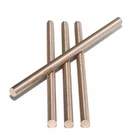
In PV panels, copper iron alloy can be used in the electrical interconnections. The alloy's high electrical conductivity ensures efficient transfer of the electricity generated by the solar cells. Additionally, its good thermal conductivity helps in dissipating the heat generated during the operation of the panels, preventing overheating and improving the overall efficiency of the PV system. For instance, our C19700 Copper Conductor Wire is an excellent choice for these interconnections. It offers low electrical resistance, which minimizes power losses during the transmission of electricity from the solar cells to the inverter.
Solar Thermal Collectors
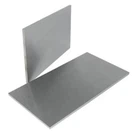
Solar thermal collectors are used to capture solar energy and convert it into heat. Copper iron alloy's high thermal conductivity makes it an ideal material for the absorber plates in these collectors. The alloy can quickly absorb the solar radiation and transfer the heat to the working fluid, such as water or a heat - transfer oil. Moreover, its corrosion resistance ensures the long - term durability of the absorber plates, even in harsh environmental conditions. Our C19210 Copper Strip can be fabricated into absorber plates with high precision, providing an efficient solution for solar thermal applications.
2. Wind Energy Systems
Wind energy is another major player in the renewable energy landscape. Copper iron alloy can contribute to the performance and reliability of wind turbines in several ways.
Generator Components
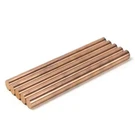
The generators in wind turbines are responsible for converting the mechanical energy of the rotating blades into electrical energy. Copper iron alloy can be used in the stator windings of these generators. Its high electrical conductivity allows for efficient generation of electricity, while its mechanical strength ensures the stability of the windings under the high - speed rotation and mechanical stresses in the turbine. Our C197 Lead Frame Copper Wire is suitable for these stator windings, offering a balance between electrical and mechanical properties.
Power Transmission and Distribution
Wind farms often need to transmit the generated electricity over long distances to the grid. Copper iron alloy can be used in the transmission and distribution cables. Its high conductivity reduces the power losses during transmission, and its resistance to corrosion and mechanical damage ensures the reliability of the cable infrastructure. In addition, the alloy's relatively high strength allows for the use of thinner cables, which can reduce the weight and cost of the transmission system.
3. Energy Storage Systems
Energy storage is a critical aspect of renewable energy systems, as it helps to balance the intermittent nature of renewable energy sources such as solar and wind. Copper iron alloy can be utilized in different types of energy storage systems.
Batteries
In some battery technologies, such as lithium - ion batteries, copper iron alloy can be used as current collectors. The alloy's high electrical conductivity enables efficient collection and transfer of the electrical current between the battery electrodes and the external circuit. Its corrosion resistance also helps to prevent the degradation of the current collectors over time, improving the battery's lifespan and performance.
Flywheel Energy Storage
Flywheel energy storage systems store energy in the form of rotational kinetic energy. Copper iron alloy can be used in the rotor components of these systems. Its high strength - to - weight ratio allows for the construction of lightweight yet strong rotors, which can rotate at high speeds to store a large amount of energy. The alloy's good thermal conductivity also helps in dissipating the heat generated during the operation of the flywheel, maintaining its efficiency.
4. Hydroelectric Power Systems
Hydroelectric power is one of the oldest and most reliable forms of renewable energy. Copper iron alloy can find applications in various parts of hydroelectric power plants.
Generator Components
Similar to wind turbines, the generators in hydroelectric power plants require materials with high electrical conductivity and mechanical strength. Copper iron alloy can be used in the stator and rotor windings of these generators, ensuring efficient electricity generation. The alloy's resistance to water corrosion is also beneficial, as hydroelectric generators operate in a wet environment.
Power Transmission and Control Systems
Copper iron alloy can be used in the power transmission and control systems of hydroelectric power plants. Its excellent electrical properties make it suitable for cables, busbars, and other electrical components, facilitating the efficient transfer of electricity from the generator to the grid.
5. Advantages of Using Copper Iron Alloy in Renewable Energy Systems
There are several advantages to using copper iron alloy in renewable energy systems.
High Conductivity
The high electrical and thermal conductivity of copper iron alloy is one of its most significant advantages. This property allows for efficient energy transfer in various components of renewable energy systems, reducing power losses and improving overall system efficiency.
Corrosion Resistance
Renewable energy systems are often exposed to harsh environmental conditions, such as moisture, sunlight, and chemicals. Copper iron alloy's corrosion resistance ensures the long - term durability of the components, reducing maintenance costs and increasing the lifespan of the systems.
Mechanical Strength
The alloy has good mechanical strength, which is essential for components that are subjected to mechanical stresses, such as wind turbine blades and generator rotors. This strength helps to maintain the structural integrity of the components and ensures reliable operation.
Cost - Effectiveness
Compared to some other high - performance materials, copper iron alloy offers a good balance between performance and cost. Its relatively low cost makes it an attractive option for large - scale renewable energy projects.
6. Conclusion and Call to Action
In conclusion, copper iron alloy has significant potential uses in renewable energy systems across solar, wind, energy storage, and hydroelectric power sectors. Its unique combination of high conductivity, corrosion resistance, mechanical strength, and cost - effectiveness makes it an ideal material for enhancing the performance, durability, and efficiency of these systems.
As a trusted supplier of copper iron alloy, we are committed to providing high - quality products that meet the specific requirements of the renewable energy industry. Whether you are involved in the design, installation, or operation of renewable energy systems, we can offer you the right copper iron alloy solutions.
If you are interested in learning more about our copper iron alloy products or would like to discuss your specific needs for renewable energy applications, please feel free to reach out to us. We are ready to engage in procurement discussions and help you find the best materials for your projects.
References
- "Materials for Renewable Energy Systems" - A comprehensive research report on the materials used in different renewable energy technologies.
- "Advances in Copper - Based Alloys for Energy Applications" - A scientific paper that discusses the latest developments in copper - based alloys, including copper iron alloy, for energy - related applications.
- "Renewable Energy: Principles, Technologies, and Applications" - A textbook that provides an overview of renewable energy systems and the materials used in them.