

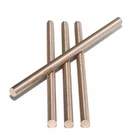
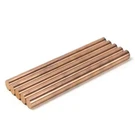
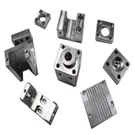
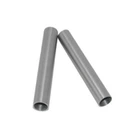
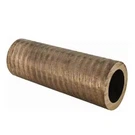
Surface patina effects on Aluminum Bronze are a fascinating aspect that not only adds aesthetic value but also plays a crucial role in the material's performance and durability. As a reputable Aluminum Bronze supplier, I have witnessed firsthand the various impacts of patina on this versatile alloy.
Formation of Surface Patina on Aluminum Bronze
Aluminum Bronze is an alloy primarily composed of copper and aluminum, with other elements such as iron, nickel, and manganese added to enhance its properties. When exposed to the environment, Aluminum Bronze undergoes a natural oxidation process, leading to the formation of a surface patina. This patina is a thin layer of corrosion products that develops over time as the alloy reacts with oxygen, moisture, and other chemicals in the air.
The formation of patina on Aluminum Bronze is a complex process influenced by several factors, including the composition of the alloy, the environmental conditions, and the duration of exposure. In general, the patina formation rate increases with higher humidity, temperature, and the presence of pollutants in the air. For example, in coastal areas where the air contains high levels of salt, the patina may form more rapidly compared to inland regions.
Aesthetic Effects of Surface Patina
One of the most noticeable effects of surface patina on Aluminum Bronze is its aesthetic appeal. The patina can transform the appearance of the alloy from a shiny, metallic finish to a more subdued, aged look. This aged patina is often highly sought after in architectural and decorative applications, as it adds a sense of history and character to the material.
The color of the patina on Aluminum Bronze can vary depending on the environmental conditions and the composition of the alloy. Common colors include shades of brown, green, and blue. For instance, a patina that forms in a marine environment may have a greenish tint due to the presence of copper salts, while a patina that develops in an industrial area may have a darker, more earthy color.
In addition to its color, the texture of the patina can also contribute to its aesthetic value. The patina may have a smooth, uniform surface or a more textured, irregular appearance, depending on the formation process. This texture can add depth and visual interest to the Aluminum Bronze, making it a popular choice for sculptures, jewelry, and other decorative items.
Protective Effects of Surface Patina
Beyond its aesthetic appeal, the surface patina on Aluminum Bronze also provides important protective benefits. The patina acts as a barrier between the alloy and the environment, preventing further corrosion and oxidation. This protective layer can significantly extend the lifespan of the Aluminum Bronze, especially in harsh or corrosive environments.
The protective properties of the patina are due to its composition and structure. The patina is typically composed of metal oxides, hydroxides, and carbonates, which are relatively stable and resistant to chemical attack. These compounds form a dense, adherent layer on the surface of the alloy, preventing oxygen and moisture from reaching the underlying metal.
In addition to its barrier function, the patina can also passivate the surface of the Aluminum Bronze, reducing its reactivity with the environment. This passivation process can further enhance the corrosion resistance of the alloy, making it more suitable for applications where long-term durability is required.
Influence of Patina on Mechanical Properties
The surface patina on Aluminum Bronze can also have an impact on its mechanical properties. In general, the patina does not significantly affect the strength or hardness of the alloy. However, it can influence the friction and wear characteristics of the material.
The presence of a patina on the surface of Aluminum Bronze can reduce friction, making it a suitable material for applications where low friction is desired, such as bearings and bushings. The patina can also act as a lubricant, reducing wear and tear on the alloy and extending its service life.
On the other hand, in some cases, the patina may cause a slight increase in surface roughness, which can affect the fit and performance of the Aluminum Bronze in certain applications. For example, in precision engineering applications, the presence of a thick or uneven patina may need to be carefully considered to ensure proper functioning of the component.
Types of Aluminum Bronze and Their Patina Effects
There are several different types of Aluminum Bronze, each with its own unique composition and properties. These variations can also affect the formation and characteristics of the surface patina.
- C95300 Aluminum Bronze: This alloy is known for its high strength and excellent corrosion resistance. When exposed to the environment, C95300 Aluminum Bronze forms a patina that provides both aesthetic and protective benefits. The patina on C95300 Aluminum Bronze is typically a rich, brown color, which can enhance the visual appeal of the alloy in architectural and decorative applications. Learn more about C95300 Aluminum Bronze.
- CA104 Aluminium Bronze: CA104 Aluminium Bronze is a popular choice for marine and industrial applications due to its good corrosion resistance and mechanical properties. The patina that forms on CA104 Aluminium Bronze can vary in color depending on the environmental conditions, but it often has a greenish or bluish tint. This patina not only provides a protective barrier but also adds a unique aesthetic touch to the alloy. Discover more about CA104 Aluminium Bronze.
- CDA954 Aluminum Bronze Bushing: CDA954 Aluminum Bronze is commonly used in bushing applications due to its low friction and wear resistance. The surface patina on CDA954 Aluminum Bronze can help to further reduce friction and improve the performance of the bushing. The patina may also provide some protection against corrosion, extending the service life of the bushing. Find out more about CDA954 Aluminum Bronze Bushing.
Controlling and Manipulating Surface Patina
In some cases, it may be desirable to control or manipulate the formation of the surface patina on Aluminum Bronze. This can be achieved through various methods, including chemical treatments, heat treatments, and environmental control.
Chemical treatments can be used to accelerate the patina formation process or to achieve a specific color or texture. For example, a solution of ammonium carbonate can be applied to the surface of the Aluminum Bronze to produce a green patina similar to that found on copper statues. Heat treatments can also be used to modify the structure and composition of the patina, altering its appearance and properties.
Environmental control is another important factor in patina formation. By controlling the humidity, temperature, and air quality, it is possible to influence the rate and characteristics of the patina. For example, in a controlled indoor environment, the patina formation may be slower and more uniform compared to an outdoor environment.


Conclusion
The surface patina effects on Aluminum Bronze are a complex and multifaceted phenomenon that have both aesthetic and practical implications. The patina can enhance the appearance of the alloy, providing a unique and aged look that is highly valued in architectural and decorative applications. At the same time, the patina also offers important protective benefits, extending the lifespan of the Aluminum Bronze and improving its performance in various environments.
As an Aluminum Bronze supplier, I understand the importance of surface patina and its impact on the quality and usability of the alloy. Whether you are looking for a material with a specific aesthetic or a high level of corrosion resistance, Aluminum Bronze with its unique patina effects can be an excellent choice. If you are interested in learning more about our Aluminum Bronze products or have any questions about surface patina, please feel free to contact us to discuss your specific requirements and explore the possibilities of using Aluminum Bronze in your next project.
References
- Davis, J. R. (Ed.). (2001). Copper and Copper Alloys. ASM International.
- Schueler, R. W. (1995). Corrosion of Copper and Copper Alloys. NACE International.
- Uhlig, H. H., & Revie, R. W. (1985). Corrosion and Corrosion Control: An Introduction to Corrosion Science and Engineering. Wiley-Interscience.