



Copper pipes have long been a staple in various industries, from plumbing to HVAC systems, due to their numerous advantages. One of the most significant benefits that often goes under - the - radar is their hygienic performance. As a copper pipe supplier, I am excited to delve into the science behind the hygienic qualities of copper pipes and why they are an excellent choice for applications where cleanliness and safety are paramount.

The Antimicrobial Properties of Copper
Copper has inherent antimicrobial properties, which means it can kill a wide range of harmful microorganisms. When bacteria, viruses, or fungi come into contact with copper surfaces, a series of chemical reactions occur. Copper ions are released, and these ions can penetrate the cell walls of microorganisms. Once inside, they disrupt the normal functioning of the cells, interfering with essential processes such as respiration and DNA replication.
Numerous scientific studies have confirmed the effectiveness of copper in reducing the presence of pathogens. For example, research has shown that copper can kill up to 99.9% of bacteria like E. coli, MRSA (Methicillin - Resistant Staphylococcus Aureus), and Salmonella within just a few hours. This is particularly important in settings such as hospitals, food processing plants, and public buildings, where the spread of infections can have serious consequences.
In healthcare facilities, copper pipes can play a crucial role in preventing the transmission of healthcare - associated infections (HAIs). Waterborne pathogens can easily spread through the plumbing systems, but copper pipes act as a natural barrier. By continuously killing bacteria in the water, they help maintain a cleaner water supply, reducing the risk of patients contracting infections from the water they use for drinking, bathing, or medical procedures.

Resistance to Biofilm Formation
Biofilms are slimy layers of microorganisms that can adhere to the inner surfaces of pipes. They are a major concern in plumbing systems because they can harbor harmful bacteria and other pathogens, and they are difficult to remove. However, copper pipes have a natural resistance to biofilm formation.
The antimicrobial properties of copper prevent bacteria from attaching and growing on the pipe surfaces. Even if some bacteria manage to land on the copper, the release of copper ions will inhibit their growth and eventually kill them. This is in contrast to other materials, such as plastic pipes, which are more prone to biofilm accumulation. Biofilms in plastic pipes can not only pose a health risk but also reduce the efficiency of the plumbing system by restricting water flow.
Corrosion Resistance and Water Purity
Another aspect of the hygienic performance of copper pipes is their excellent corrosion resistance. Unlike some metals that can corrode and release harmful substances into the water, copper forms a protective oxide layer on its surface when exposed to water and oxygen. This oxide layer acts as a barrier, preventing further corrosion and ensuring that the copper pipes remain intact over time.

This corrosion resistance is crucial for maintaining water purity. When pipes corrode, they can leach heavy metals or other contaminants into the water, which can have negative health effects. With copper pipes, the risk of such contamination is significantly reduced. The water flowing through copper pipes remains clean and free from harmful substances, making it safe for consumption and other uses.

Types of Copper Pipes and Their Hygienic Benefits
We offer a variety of copper pipes, each with its own unique characteristics and hygienic benefits.
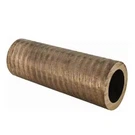
- Aluminum Bronze Pipe: Our Aluminum Bronze Pipe is an alloy that combines the strength of copper with the added benefits of aluminum. This type of pipe has enhanced corrosion resistance, which is especially useful in harsh environments. The antimicrobial properties of copper are still present, ensuring that it can help maintain a hygienic water supply. Aluminum bronze pipes are often used in marine applications and industrial settings where durability and cleanliness are essential.
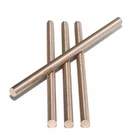
- Red Copper Pipe: The Red Copper Pipe is known for its high purity. With a copper content of over 99%, it offers excellent thermal conductivity and is highly resistant to corrosion. The high - purity copper in red copper pipes provides strong antimicrobial action, making it a great choice for plumbing systems in residential and commercial buildings. It helps keep the water clean and safe for all uses.
- TP1 TP2 Copper Pipe: Our TP1 TP2 Copper Pipe is made from high - quality copper materials. TP1 and TP2 refer to different grades of copper, with TP2 having a slightly higher phosphorus content. This increased phosphorus content improves the pipe's formability and weldability. Like other copper pipes, TP1 TP2 copper pipes have antimicrobial properties and are resistant to corrosion, ensuring a hygienic water - carrying environment.
Long - Term Hygiene and Cost - Effectiveness
In addition to their immediate hygienic benefits, copper pipes offer long - term advantages in terms of maintaining a clean and safe plumbing system. Their durability means that they do not need to be replaced as frequently as some other pipe materials. This reduces the risk of contamination during pipe replacement processes, which can introduce new pathogens into the system.
Moreover, the cost - effectiveness of copper pipes should not be overlooked. While the initial investment may be higher than some plastic pipes, the long - term savings in terms of reduced maintenance, lower risk of water - borne diseases, and extended lifespan make copper pipes a smart choice. In the long run, the hygienic performance of copper pipes translates into a healthier environment and lower overall costs.
Conclusion
The hygienic performance of copper pipes is a well - documented and scientifically proven advantage. Their antimicrobial properties, resistance to biofilm formation, corrosion resistance, and long - term durability make them an ideal choice for a wide range of applications. Whether you are building a new hospital, a food processing facility, or a residential home, copper pipes can provide a clean and safe water supply.
If you are interested in learning more about our copper pipes or are considering a purchase for your project, we invite you to contact us for a detailed discussion. Our team of experts is ready to assist you in choosing the right type of copper pipe for your specific needs.
References
- "Antimicrobial Copper for Infection Prevention: A Review." Journal of Hospital Infection, Volume 89, Issue 1, 2015.
- "Copper in Drinking Water Systems: Corrosion and Control Strategies." American Water Works Association Research Foundation, 2003.
- "Biofilm Formation on Different Pipe Materials in Drinking Water Distribution Systems." Water Research, Volume 41, Issue 8, 2007.