

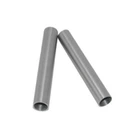
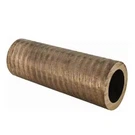
Leaded bronze is a widely used copper-based alloy known for its excellent machinability, wear resistance, and anti-friction properties. As a trusted leaded bronze supplier, I often receive inquiries about the maximum lead content in leaded bronze. In this blog post, I will delve into this topic, exploring the factors that influence lead content, the standards and regulations governing it, and the implications for different applications.
Understanding Leaded Bronze
Leaded bronze is an alloy composed primarily of copper, tin, and lead. The addition of lead to the bronze matrix significantly improves its machinability by acting as a lubricant during the cutting process. This reduces tool wear and allows for faster machining speeds, making leaded bronze a popular choice for applications that require extensive machining, such as bearings, bushings, and valve components.


The tin content in leaded bronze typically ranges from 4% to 10%, providing strength and corrosion resistance. The lead content, on the other hand, can vary widely depending on the specific alloy and its intended application. It can range from as low as 1% to as high as 35% in some specialized alloys.
Factors Influencing Lead Content
Several factors influence the maximum lead content in leaded bronze. These include:
- Machinability Requirements: As mentioned earlier, lead improves the machinability of bronze. Therefore, alloys intended for high-speed machining or applications with complex geometries may have a higher lead content to enhance cutting performance.
- Mechanical Properties: While lead improves machinability, it can also have a negative impact on the mechanical properties of the alloy, such as strength and ductility. Therefore, the lead content must be carefully balanced to meet the mechanical requirements of the application.
- Corrosion Resistance: High lead content can reduce the corrosion resistance of leaded bronze. In applications where corrosion resistance is critical, such as marine or chemical environments, the lead content may be limited to maintain the integrity of the alloy.
- Regulatory Requirements: There are strict regulations governing the use of lead in various industries, particularly in applications where there is a risk of lead exposure to humans or the environment. These regulations may limit the maximum lead content in leaded bronze products.
Standards and Regulations
The maximum lead content in leaded bronze is regulated by various national and international standards. In the United States, the American Society for Testing and Materials (ASTM) has established standards for leaded bronze alloys, including C31400, C31600, and C32000. These standards specify the chemical composition, mechanical properties, and other requirements for each alloy.
For example, C31400 Leaded Commercial Bronze has a lead content ranging from 1.5% to 3.0%, while C31600 Free Cutting Copper Alloy has a lead content of 3.5% to 4.5%. C32000 Leaded Bronze has a lead content of 2.5% to 3.5%. These alloys are commonly used in applications such as plumbing fittings, electrical connectors, and automotive components.
In addition to ASTM standards, there are also regulations at the state and federal level regarding the use of lead in consumer products. For example, the Consumer Product Safety Improvement Act (CPSIA) restricts the lead content in children's products to 100 parts per million (ppm). Therefore, leaded bronze products intended for use in children's products must comply with these regulations.
Implications for Different Applications
The maximum lead content in leaded bronze has different implications for various applications. Here are some examples:
- Bearings and Bushings: In bearing and bushing applications, leaded bronze is valued for its anti-friction properties. Alloys with a higher lead content, such as those in the range of 15% to 35%, are often used to provide excellent lubrication and reduce wear. However, these alloys may have lower strength and corrosion resistance, so they are typically used in applications where the load is relatively low and the environment is not too harsh.
- Valve Components: Valve components require good machinability and corrosion resistance. Alloys with a moderate lead content, such as C31400 and C32000, are commonly used in valve applications. These alloys provide a good balance between machinability and mechanical properties, making them suitable for manufacturing valve seats, stems, and other components.
- Electrical Connectors: Electrical connectors need to have good electrical conductivity and corrosion resistance. Leaded bronze alloys with a lower lead content, such as C31600, are often used in electrical connector applications. These alloys offer excellent machinability and can be easily formed into complex shapes, while still maintaining good electrical performance.
Choosing the Right Leaded Bronze Alloy
As a leaded bronze supplier, I understand the importance of choosing the right alloy for your specific application. When selecting a leaded bronze alloy, it is essential to consider the following factors:
- Application Requirements: Determine the specific requirements of your application, such as machinability, mechanical properties, corrosion resistance, and electrical conductivity. This will help you narrow down the options and choose an alloy that meets your needs.
- Regulatory Compliance: Ensure that the alloy you choose complies with all relevant regulations and standards, especially if your application is subject to strict lead content limits.
- Cost Considerations: The cost of leaded bronze alloys can vary depending on the lead content and other factors. Consider your budget and balance it with the performance requirements of your application.
Conclusion
In conclusion, the maximum lead content in leaded bronze depends on several factors, including machinability requirements, mechanical properties, corrosion resistance, and regulatory requirements. Different leaded bronze alloys have different lead content ranges, and the choice of alloy depends on the specific application. As a leaded bronze supplier, I am committed to providing high-quality alloys that meet the diverse needs of our customers.
If you are interested in purchasing leaded bronze products or have any questions about the maximum lead content in leaded bronze, please feel free to contact us. Our team of experts will be happy to assist you in selecting the right alloy for your application and provide you with the best possible solutions.
References
- ASTM International. (2023). Standard Specifications for Copper and Copper Alloys in Rod, Bar, and Shapes. ASTM B139/B139M - 22.
- Consumer Product Safety Improvement Act of 2008 (CPSIA). (2008). Public Law 110 - 314.