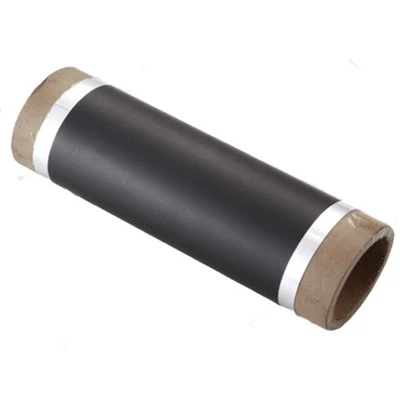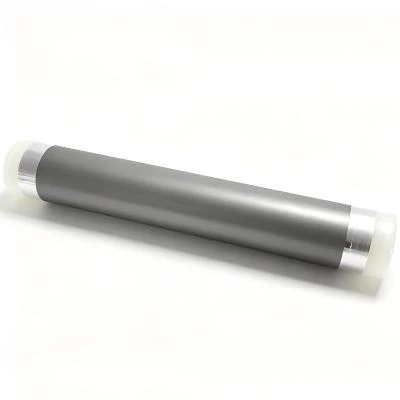
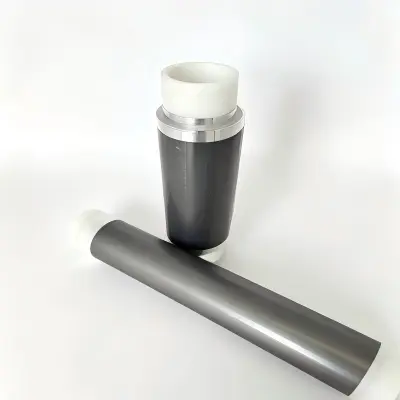
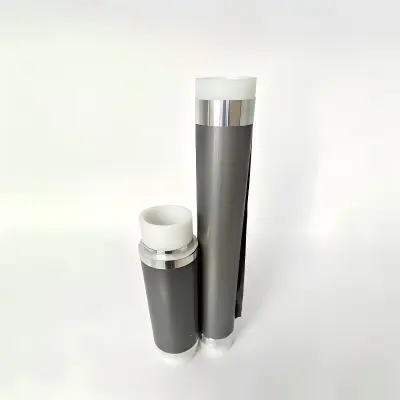
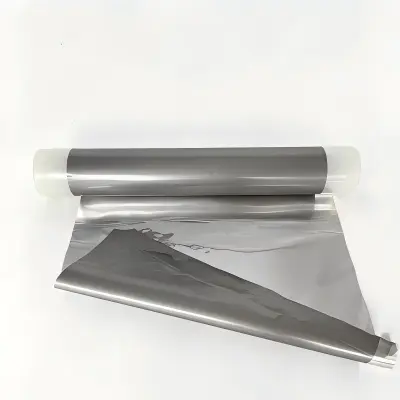
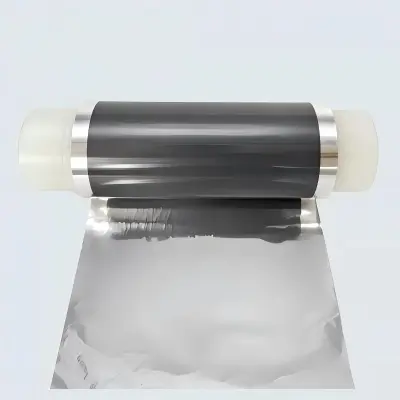
HSMetal supplies High Specific Surface Area Carbon Coated Aluminum Foil , specially developed for advanced battery electrode applications, particularly sodium-ion batteries. Featuring an engineered porous carbon coating on high-purity aluminum foil, this material provides an enlarged effective contact area between the active material and current collector, helping reduce interfacial contact resistance and improve electrode adhesion and charge-transfer performance.
Compared with conventional carbon coated aluminum foil, our high specific surface area version features a controlled porous carbon structure with interconnected pores. It is designed to support better electrolyte accessibility, stronger active material anchoring and improved electrode performance, especially in high-loading and high-rate sodium-ion battery applications.
HSMetal offers customized aluminum substrate thicknesses, carbon coating structures, coating weights and surface properties to meet different cathode material requirements. Samples and technical evaluation support are available for battery developers and manufacturers.
Material Specifications
| Test Item | Typical Range | Engineering Note |
|---|---|---|
| Substrate Thickness | 10 – 16 μm | Standard battery-grade aluminum |
| Carbon Layer Thickness | 1 – 3 μm | Thicker than standard coating to accommodate porosity |
| BET Specific Surface Area | Customizable (e.g., 50–200 m²/g) | The defining metric-must be verified by BET testing |
| Areal Density | 1.0 – 2.5 g/m² | Balanced against energy density penalty |
| Peel Strength | ≥ 15 N/m | 3D porous structure provides superior mechanical anchoring |
| Contact Resistance | Significantly lower than standard foil | Reduces polarization |
| Porosity & Pore Size | Customized | Matched to your active material particle size |
👉 Request a High Specific Surface Area Foil Sample & BET Data
What Is High Specific Surface Area Carbon Coated Aluminum Foil?
High Specific Surface Area Carbon Coated Aluminum Foil is a functional battery current collector made by applying a specially engineered porous conductive carbon layer onto an aluminum foil substrate.
Unlike conventional carbon coatings with relatively dense structures, this product features interconnected micro- and mesoporous structures designed to increase the effective surface area of the coating.
The porous carbon layer provides more contact points between the current collector and cathode active materials. It can also facilitate electrolyte infiltration and improve interfacial charge transfer when properly matched with the electrode formulation.
Its performance should be evaluated through BET specific surface area, pore size distribution, coating areal density, adhesion and interfacial resistance rather than surface roughness alone.
For sodium-ion battery manufacturers, this material offers an additional option for optimizing the cathode-current collector interface and improving electrode processing and electrochemical performance.
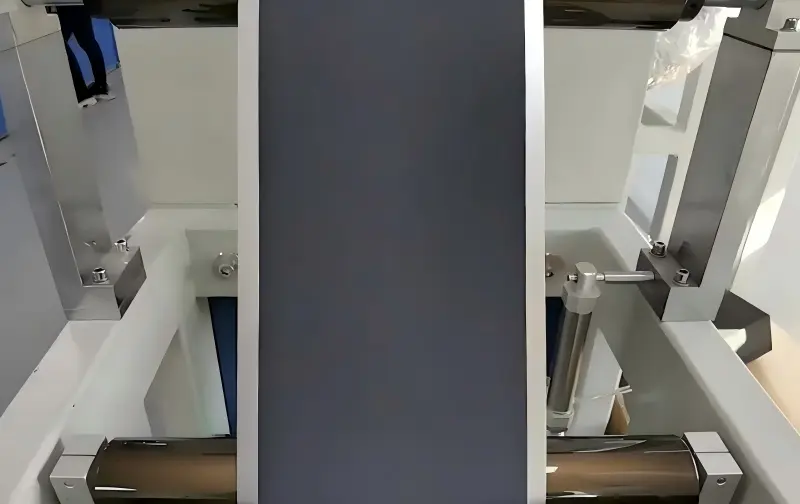
Product Classification & Selection Guide
| Classification | Wet-Layered Porous Coating | Plasma-Modified Coating |
|---|---|---|
| Manufacturing Process | Carbon + pore-forming agent applied, then sintered | Carbon layer etched via plasma |
| BET Surface Area | High (Controllable via formulation) | Very High |
| Mass Production Maturity | High (Industry mainstream, cost-effective) | Moderate (Yield control challenges) |
| Best Application Route | Sodium-ion mass production, high-loading EV cells | Premium specialty cells, R&D prototyping |
How to choose your specification:
For Sodium-Ion (SIB) Cathodes: Specify a moderate-to-high BET area with a pore size distribution matched to your Prussian blue or layered oxide particle size (typically D50 1-5 μm).
For High-Loading Li-Ion: Specify high BET area to ensure electrolyte wicking through thick electrode coatings (>3 mAh/cm²).
Why Choose High Specific Surface Area Carbon Coated Aluminum Foil for Sodium-Ion Batteries?
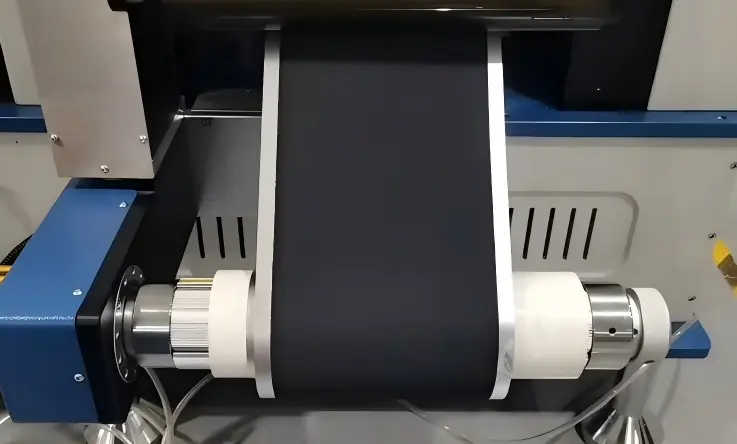
Sodium-ion batteries (SIBs) demand a fundamentally different interface than lithium-ion cells. Because SIB cathode materials (like Prussian blue or layered oxides) often suffer from sluggish kinetics, optimizing the contact between the active material and the current collector is critical.
Our high specific surface area carbon coated foil delivers three decisive advantages:
- Slash Interfacial Resistance & Boost Rate: The 3D porous carbon network provides massive contact points, minimizing interfacial polarization to support high-rate charge and discharge.
- Prevent Shedding in High-Loading Electrodes: The porous architecture acts as a powerful mechanical anchor. It locks cathode particles in place, maintaining electrode integrity in ultra-thick, high-loading designs.
- Superior Electrolyte Wetting: Interconnected carbon pores act as capillary channels, accelerating electrolyte penetration and shortening ion transport pathways right at the interface.
High-Surface-Area vs. Standard Carbon Coated Foil
Don't let suppliers confuse surface roughness with true specific surface area. Match your battery system and electrode design to the right coating:
| Your Battery System / Challenge | Recommended Foil | Why? (The Engineering Reality) |
|---|---|---|
| Sodium-Ion Batteries (Prussian blue, layered oxides) or Ultra-Thick/High-Loading Li-Ion | 👉 High Specific Surface Area Foil (This Product) |
True 3D porous carbon network. Drastically lowers interfacial resistance, acts as a 3D anchor to prevent shedding, and ensures deep electrolyte wetting. |
| Standard Lithium-Ion (Graphite anodes, standard LFP/NCM cathodes) | 👉 Standard Carbon Coated Foil | Dense 2D carbon layer. The most cost-effective choice when standard thickness and moderate rate performance are sufficient. |
Rule of Thumb:Sodium-Ion or Thick Electrodes → High Specific Surface Area. Standard Li-Ion → Standard Carbon Coated Foil.
Building standard Li-ion cells? See our Standard Carbon Coated Aluminum Foil.
Why Buy from HSMetal?
- We Sell "BET", Not Fake "Roughness"
Many domestic suppliers sell roughened foil and label it "high specific surface area" to trick buyers. HSMetal provides actual BET test data with every lot, so you know the true effective reaction area of your collector.
- Full MTC & Sample Validation for Sodium-Ion
We recently sent samples to a leading US sodium-ion battery developer. We do not just ship material; we provide the complete MTC, test reports, and support you need during the pilot coating and full-cell validation phase. (Read our upcoming news release on this US customer validation.)
- Customized Pore Engineering
We don't sell a one-size-fits-all foil. We adjust the pore-forming agent and sintering profile to match your specific cathode chemistry (Prussian blue vs. layered oxide) and slurry viscosity.
- Fast Sampling & Scale-Up
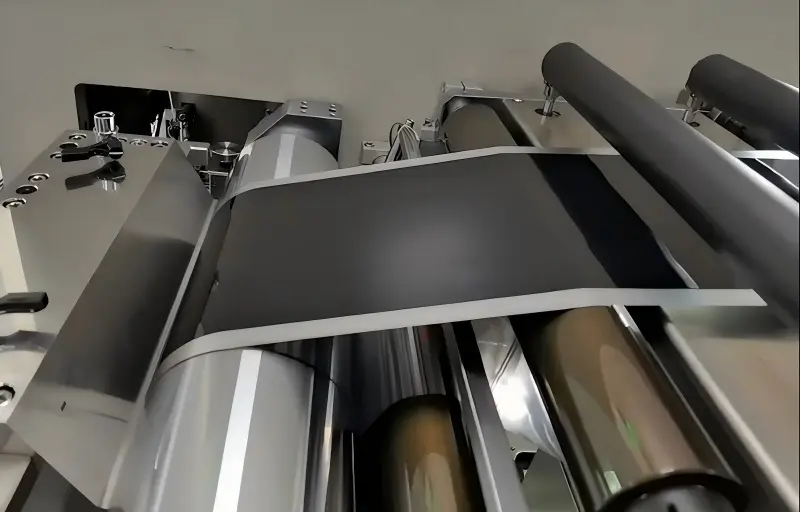
From R&D proof-of-concept to GWh mass production, we offer quick sample turnaround (7–10 days) and flexible MOQs to support your BOM optimization.
Commercial & Delivery Terms
| Term | Details |
|---|---|
| MOQ | 20 kg (flexible for R&D and qualification) |
| Sample Lead Time | 7–10 days for standard specifications |
| Production Lead Time | 15–20 working days depending on width and volume |
| Packaging | Vacuum-sealed with desiccant; export wooden cases |
| Documentation | MTC, COA with BET data, RoHS/REACH |
| Payment Terms | T/T 30% deposit, 70% before shipment |
👉 Send Your Sodium-Ion or High-Loading Specification for a Quotation
Application Fields
Sodium-Ion Batteries (SIBs): Prussian blue analogues, layered transition metal oxides, and polyanionic compounds (e.g., NaFePO4). The 3D porous network improves sluggish Na-ion kinetics.
High-Loading Lithium-Ion Batteries: Ultra-thick electrodes for EV applications where electrolyte wetting is a challenge.
Solid-State Battery R&D: Improves interfacial contact between the cathode and solid electrolytes during cold pressing.
Advanced Cathode Material Development: Can be evaluated with Prussian Blue, layered oxide and polyanionic cathode formulations to optimize current collector compatibility.
Other Electrochemical Applications: Certain vanadium redox flow battery and supercapacitor research projects may evaluate porous carbon-coated aluminum substrates. However, these applications have different structural and electrochemical requirements and need separate validation.
Test the True 3D Interface for Your Sodium-Ion Cells
Don't accept fake "roughness" when your cell demands true BET specific surface area. Whether you are scaling up sodium-ion mass production or pushing the limits of high-loading lithium cells, HSMetal delivers the engineered porous carbon foil you need, backed by real data and fast sampling.
Send us your battery chemistry (SIB or Li-ion), target loading (mAh/cm²), and slurry system (Aqueous/NMP). Our engineers will recommend the optimal BET area and pore structure, and dispatch samples for your pilot line-just as we have for global sodium-ion developers.
👉 Contact HSMetal for Custom Pore Engineering
👉 Compare Standard Carbon Coated Aluminum Foil
FAQ
Q1: What is High Specific Surface Area Carbon Coated Aluminum Foil?
A: It is a functional battery current collector made by applying a porous conductive carbon coating onto an aluminum foil substrate. The interconnected porous structure increases the effective carbon surface area and provides additional contact sites for cathode active materials.
Q2: Is high specific surface area carbon coated aluminum foil mainly used for lithium-ion or sodium-ion batteries?
A: It is primarily positioned for sodium-ion battery cathodes, particularly Prussian Blue, layered oxide and polyanionic systems. Conventional carbon coated aluminum foil is already widely used in lithium-ion battery cathodes. The high specific surface area version can also be evaluated for lithium-ion applications when specific interface requirements justify its use.
Q3: What is the difference between high specific surface area and conventional carbon coated aluminum foil?
A: The main difference is the carbon coating structure. Conventional carbon coated aluminum foil generally uses a relatively dense conductive layer, while the high specific surface area version features a controlled porous structure. This provides more potential contact sites and can improve electrolyte accessibility and interface optimization.
Q4: Is high specific surface area aluminum foil the same as roughened aluminum foil?
A: No. Surface roughness describes the external surface profile, while BET specific surface area measures the accessible surface area of the material. High specific surface area carbon coated aluminum foil relies on the porous carbon structure rather than surface roughness alone.
Q5: Is a higher BET specific surface area always better?
A: No. Excessively high surface area may increase unwanted interfacial reactions and reduce initial Coulombic efficiency. The optimal BET value should be determined according to the cathode chemistry, electrolyte and electrode formulation.
Q6: Which sodium-ion cathode materials are suitable for this product?
A: It can be evaluated with Prussian Blue and Prussian White, layered transition metal oxides and polyanionic cathode materials. The most suitable coating structure depends on particle characteristics, slurry formulation and electrochemical requirements.
Q7: Can high specific surface area carbon coated aluminum foil improve battery rate performance?
A: Its porous conductive coating is designed to improve interfacial contact and electrolyte accessibility, which may support better rate performance. Actual improvements depend on the complete electrode and cell design and should be confirmed through electrochemical testing.
Q8: What BET specific surface area can HSMetal provide?
A: The target BET specific surface area can be discussed according to customer requirements and product feasibility. We recommend selecting the target based on cathode material characteristics and testing objectives rather than pursuing the highest possible value.
Q9: Can the carbon coating be customized?
A: Yes. HSMetal supports customization of carbon coating structure, coating areal density, coating thickness, BET surface area targets and single-sided or double-sided configurations.
Q10: Is higher specific surface area always better?
A: No. While a higher BET area improves wetting and rate performance, it also increases the risk of excessive side reactions with the electrolyte, which can lower the first-cycle Coulombic efficiency. The optimal BET area must be matched to your cathode chemistry, particle size, and electrolyte system.
Q11: What tests should be performed before mass production?
A: Recommended evaluations include BET specific surface area, pore size distribution, coating areal density, adhesion, surface resistance, interfacial contact resistance, electrolyte compatibility and electrode coating consistency. Half-cell and full-cell testing should be conducted to verify actual battery performance.
Q12: Can I directly use this foil in my existing sodium-ion production line without changing the slurry?
A: You can use it on the same coating equipment, but we highly recommend adjusting your slurry formulation and calendering parameters. The high-porosity 3D structure absorbs more electrolyte and binder, so you may need to optimize viscosity to prevent over-penetration. We provide process guidance alongside our samples to help you shorten the validation cycle.
Q13: How do I choose between high specific surface area and conventional carbon coated aluminum foil?
A: If you are developing sodium-ion battery cathodes and want to investigate interface resistance, porous coating structures and high-rate performance, the high specific surface area version is worth evaluating. If you are manufacturing conventional lithium-ion batteries and primarily require improved conductivity and electrode adhesion, standard carbon coated aluminum foil may be more suitable.
Q14: Is this product mainly for lithium-ion or sodium-ion batteries?
A: While it can be used in ultra-thick lithium-ion cathodes, it is specifically engineered for Sodium-Ion Batteries (SIBs). Sodium-ion cathodes (like Prussian blue) have intrinsically slow ion diffusion. The 3D porous carbon network provides the necessary electrochemical surface area and ion pathways to overcome this limitation.
Hot Tags: high specific surface area carbon coated aluminum foil, sodium ion battery current collector, porous carbon coated aluminum foil, sodium ion battery cathode foil Manufacturer,high surface area aluminum foil