

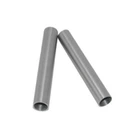
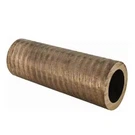
Hey there! As a copper pipe supplier, I often get asked about the vibration resistance of copper pipes. It's a crucial factor, especially in applications where pipes are exposed to constant shaking or movement. So, let's dive right in and explore what makes copper pipes stand up to vibrations.
What is Vibration Resistance?
First off, vibration resistance refers to a material's ability to withstand the effects of vibrations without failing or degrading over time. When pipes are subjected to vibrations, they can experience stress, fatigue, and even structural damage. This can lead to leaks, reduced efficiency, and costly repairs. That's why it's super important to choose pipes with good vibration resistance, especially in high - stress environments.


Why Copper Pipes?
Copper has been used in piping systems for ages, and for good reason. One of the key properties of copper is its inherent flexibility. Unlike some other materials that are brittle and break easily under stress, copper can bend and flex a bit without cracking. This flexibility allows it to absorb and dissipate the energy from vibrations, reducing the risk of damage.
Another great thing about copper is its high ductility. Ductility means the ability of a material to be drawn into a wire or stretched without breaking. In the context of pipes, it means that copper can deform slightly under vibration without losing its integrity. This is really useful in situations where pipes are exposed to dynamic loads.
How Does Copper Resist Vibrations?
Let's take a closer look at the mechanisms behind copper's vibration resistance. When vibrations occur, they create stress waves that travel through the pipe. Copper's atomic structure plays a big role here. The atoms in copper are arranged in a way that allows them to move and adjust to these stress waves. This movement helps to distribute the stress evenly throughout the pipe, preventing it from concentrating in one area and causing damage.
Also, copper has a relatively high damping capacity. Damping is the ability of a material to absorb and dissipate energy in the form of heat. When a copper pipe vibrates, the internal friction between its atoms converts some of the vibration energy into heat. This reduces the amplitude of the vibrations and helps to protect the pipe from excessive stress.
Applications Where Vibration Resistance Matters
There are many industries where the vibration resistance of copper pipes is a must - have. In the automotive industry, for example, copper pipes are used in fuel lines and coolant systems. These pipes are exposed to constant vibrations from the engine and the movement of the vehicle. If the pipes can't handle these vibrations, they can develop cracks and leaks, which can be extremely dangerous.
In the aerospace industry, copper pipes are used in hydraulic and pneumatic systems. Aircraft are subjected to intense vibrations during takeoff, flight, and landing. Copper pipes' ability to resist these vibrations ensures the reliability and safety of these critical systems.
In industrial settings, copper pipes are often used in machinery and equipment. Vibrations from motors, pumps, and other moving parts can put a lot of stress on the pipes. By using copper pipes with good vibration resistance, companies can reduce the risk of system failures and downtime.
Different Types of Copper Pipes and Their Vibration Resistance
Not all copper pipes are created equal when it comes to vibration resistance. There are different types of copper pipes available, each with its own set of properties.
-
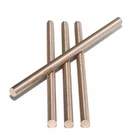
Oxygen Free Copper Pipe: These pipes are made from high - purity copper with very low oxygen content. Oxygen Free Copper Pipe is known for its excellent electrical conductivity and corrosion resistance. It also has good vibration resistance due to its high ductility and flexibility. You can learn more about Oxygen Free Copper Pipe.
-
Cold Drawn Brass Pipe: Brass is an alloy of copper and zinc. Cold Drawn Brass Pipe is produced by cold - drawing the brass through a die, which gives it a smooth surface and improved mechanical properties. This type of pipe has good vibration resistance and is often used in plumbing and HVAC applications. Check out Cold Drawn Brass Pipe for more details.
-
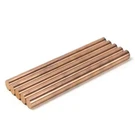
Aluminum Bronze Pipe: Aluminum bronze is a copper - based alloy that contains aluminum and other elements. Aluminum Bronze Pipe has high strength, good corrosion resistance, and excellent vibration resistance. It's commonly used in marine and industrial applications where pipes are exposed to harsh environments and vibrations. Find out more about Aluminum Bronze Pipe.
Testing the Vibration Resistance of Copper Pipes
Manufacturers use various tests to evaluate the vibration resistance of copper pipes. One common test is the vibration fatigue test. In this test, a pipe is subjected to a controlled vibration for a certain number of cycles. The pipe is then inspected for signs of damage, such as cracks or deformation.
Another test is the modal analysis. This test measures the natural frequencies and mode shapes of the pipe. By understanding these properties, engineers can design pipes that are less likely to resonate with external vibrations, which can cause excessive stress and damage.
Factors Affecting Vibration Resistance
There are several factors that can affect the vibration resistance of copper pipes. The thickness of the pipe wall is one important factor. Thicker pipes generally have better vibration resistance because they can withstand more stress without deforming.
The installation method also matters. Pipes that are properly supported and secured are less likely to vibrate excessively. Using vibration - absorbing materials, such as rubber gaskets or isolators, can also help to reduce the transmission of vibrations to the pipes.
The operating environment is another factor. Pipes that are exposed to high temperatures, corrosive chemicals, or extreme pressures may have reduced vibration resistance. It's important to choose the right type of copper pipe for the specific application and environment.
Conclusion
In conclusion, copper pipes have excellent vibration resistance due to their flexibility, ductility, and high damping capacity. This makes them a great choice for a wide range of applications where pipes are exposed to vibrations. Whether you're in the automotive, aerospace, or industrial industry, copper pipes can provide reliable and long - lasting performance.
If you're in the market for copper pipes and need a supplier you can trust, look no further. We've got a wide selection of high - quality copper pipes, including Oxygen Free Copper Pipe, Cold Drawn Brass Pipe, and Aluminum Bronze Pipe. Contact us to discuss your specific requirements and let's start a great partnership!
References
- ASM Handbook, Volume 2: Properties and Selection: Nonferrous Alloys and Special - Purpose Materials
- "Copper and Copper Alloys" by J. R. Davis
- Technical literature from copper pipe manufacturers