

Hey there! As a copper supplier, I've seen firsthand how crucial copper is in the oil and gas industry. In this blog, I'm gonna break down the various ways copper is used in this sector, and why it's such a big deal.
Electrical Systems
One of the primary uses of copper in the oil and gas industry is in electrical systems. Copper is an excellent conductor of electricity, which makes it ideal for transmitting power over long distances with minimal loss. In an oil or gas field, there are countless electrical components that rely on copper wiring. From the control rooms where operators monitor the entire operation to the pumps and motors that keep the extraction and processing equipment running, copper is everywhere.
For example, in offshore oil rigs, complex electrical systems are required to power everything from lighting to drilling equipment. Copper cables are used to connect different parts of the rig, ensuring a stable and efficient flow of electricity. These cables need to be able to withstand harsh environmental conditions, including high humidity, saltwater exposure, and extreme temperatures. Copper's durability and corrosion resistance make it a top choice for such applications.
Heat Exchangers
Another important application of copper in the oil and gas industry is in heat exchangers. Heat exchangers are used to transfer heat between two fluids, and they play a vital role in many processes, such as refining and cooling. Copper has high thermal conductivity, which means it can efficiently transfer heat from one fluid to another.
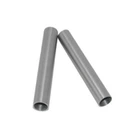
In a refinery, heat exchangers are used to cool down hot crude oil or to heat up cold feedstock. Copper tubes are often used in these heat exchangers because they can quickly transfer heat while maintaining their structural integrity. The ability of copper to resist corrosion also ensures a long lifespan for the heat exchangers, reducing maintenance costs and downtime.
Instrumentation and Control
Copper is also widely used in instrumentation and control systems in the oil and gas industry. These systems are responsible for monitoring and regulating various parameters, such as pressure, temperature, and flow rate. Copper is used in sensors, transmitters, and other control devices because of its excellent electrical properties and reliability.
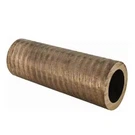
For instance, Phosphor Bronze Bordon Tube is a type of copper alloy that is commonly used in pressure gauges. The tube expands or contracts in response to changes in pressure, and this movement is translated into a readable measurement on the gauge. The accuracy and stability of copper-based sensors and control devices are essential for ensuring the safe and efficient operation of oil and gas facilities.
Corrosion Resistance
In the harsh environment of the oil and gas industry, corrosion is a major concern. Copper and its alloys have excellent corrosion resistance, which makes them suitable for use in pipelines, storage tanks, and other equipment that comes into contact with corrosive substances such as saltwater, acidic gases, and crude oil.
Copper-nickel alloys, for example, are widely used in offshore pipelines because they can resist the corrosive effects of seawater. These alloys form a protective oxide layer on their surface, which prevents further corrosion. This not only extends the lifespan of the pipelines but also reduces the risk of leaks and environmental damage.
Welding and Joining
Copper is also used in welding and joining processes in the oil and gas industry. Copper-based welding rods and filler metals are used to join copper and copper alloy components, as well as to repair damaged parts. The high thermal conductivity of copper allows for rapid heat transfer during welding, which helps to ensure strong and reliable joints.
In addition, copper can be easily soldered, which makes it a popular choice for joining small components and electrical connections. The ability to create strong and durable joints is essential for maintaining the integrity of oil and gas equipment.
Microporous and Carrier Copper Foil
Microporous Aluminum Foil and Carrier Copper Foil are two types of copper products that have unique applications in the oil and gas industry. Microporous aluminum foil can be used in filtration systems to remove impurities from oil and gas streams. The tiny pores in the foil allow for efficient separation of solid particles and liquids, improving the quality of the final product.
Carrier copper foil, on the other hand, can be used in electronic components and sensors. The foil provides a stable and conductive substrate for mounting electronic devices, and it can also help to dissipate heat. These specialized copper products demonstrate the versatility of copper in meeting the diverse needs of the oil and gas industry.
Why Choose Our Copper?
As a copper supplier, we understand the specific requirements of the oil and gas industry. We offer a wide range of high-quality copper products, including copper rods, tubes, sheets, and alloys. Our products are manufactured to strict quality standards, ensuring that they meet the demanding requirements of the industry.


We also provide excellent customer service and technical support. Our team of experts can help you select the right copper product for your application and provide guidance on installation and maintenance. Whether you need a small quantity of copper for a specific project or a large supply for ongoing operations, we can meet your needs.
If you're in the oil and gas industry and looking for a reliable copper supplier, don't hesitate to get in touch with us. We're here to help you find the best copper solutions for your business. Contact us today to start a discussion about your copper requirements and explore how we can work together to achieve your goals.
References
- "Handbook of Copper and Copper Alloys"
- "Corrosion in the Oil and Gas Industry"
- Technical literature from copper manufacturers and industry associations