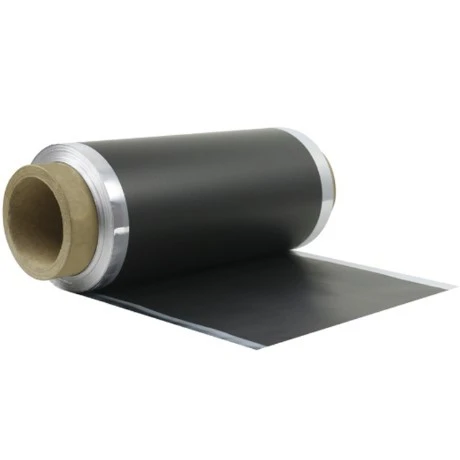
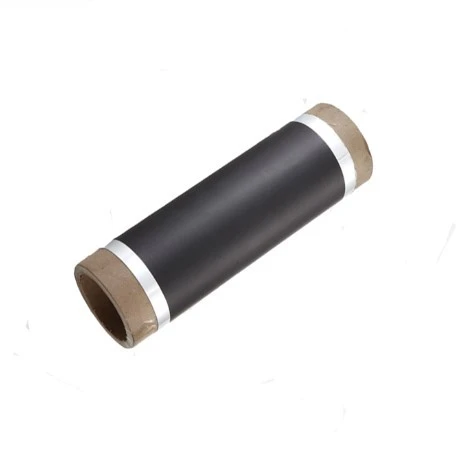
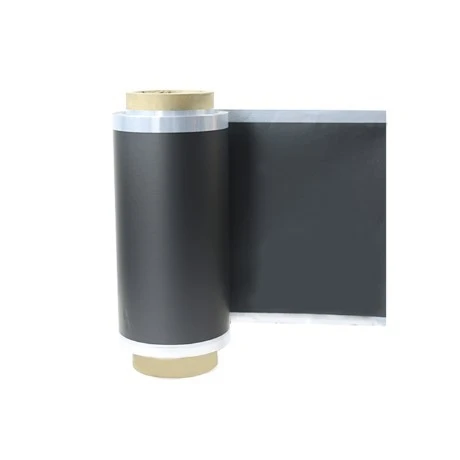
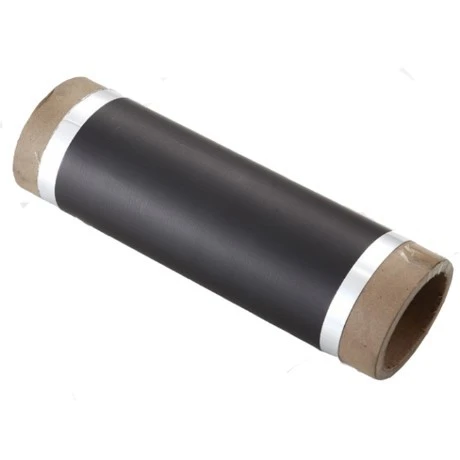
Our Carbon‑Coated Aluminum Foil For LFP Cathodes is high‑performance cathode current collector, engineered by coating a thin uniform conductive carbon layer onto high‑purity battery‑grade aluminum substrate.
LFP material features fine particle size, which easily creates micro‑gaps between bare aluminum foil and cathode coating. Those microscopic voids raise interfacial impedance, increase overall cell internal resistance, generate extra heat, and trigger coating peeling under high compact‑density calendaring process. Our carbon interlayer fills micro‑voids, builds continuous conductive pathways and strengthens adhesive bonding between LFP active material and aluminum substrate.
To dive deeper into the underlying mechanism of interface engineering for LFP systems, read our technical article: Why LFP Cathodes Need Carbon‑Coated Aluminum Foil.
Adopting our carbon‑coated aluminum foil can cut cell internal resistance by over 50% under suitable process conditions, improve rate capability, suppress heat generation, boost cycle‑life reliability and raise mass‑production yield for LFP battery lines.
This cathode‑side material perfectly matches with carbon‑coated copper foil for anode side, delivering full coated‑current‑collector solution for LFP full‑cell projects
Technical Specification
| Test Item | Typical Reference Value | Remarks |
|---|---|---|
| Substrate Alloy | 1060 / 1070 / 1235 | High-purity aluminum for battery use |
| Substrate Thickness | 12–16 μm | Standard for LFP; custom 10-20 μm available |
| Coating Configuration | Single-side / Double-side | Per electrode design |
| Carbon Coating Thickness | 0.5–1.5 μm (per side) | Adjustable areal density |
| Surface Resistance | ≤5 mΩ/square | Essential for LFP conductivity |
| Coating Adhesion | No peeling in 3M tape test | Critical for calendering LFP |
| Surface Tension | ≥50 dyne/cm | Ensures uniform LFP slurry wetting |
| Coil Width | 150–1450 mm | Custom slitting available |
| Document Support | COA, MSDS, RoHS / REACH | For supplier audits |
👉 Explore specifications and request a sample
What Is Carbon-Coated Aluminum Foil?
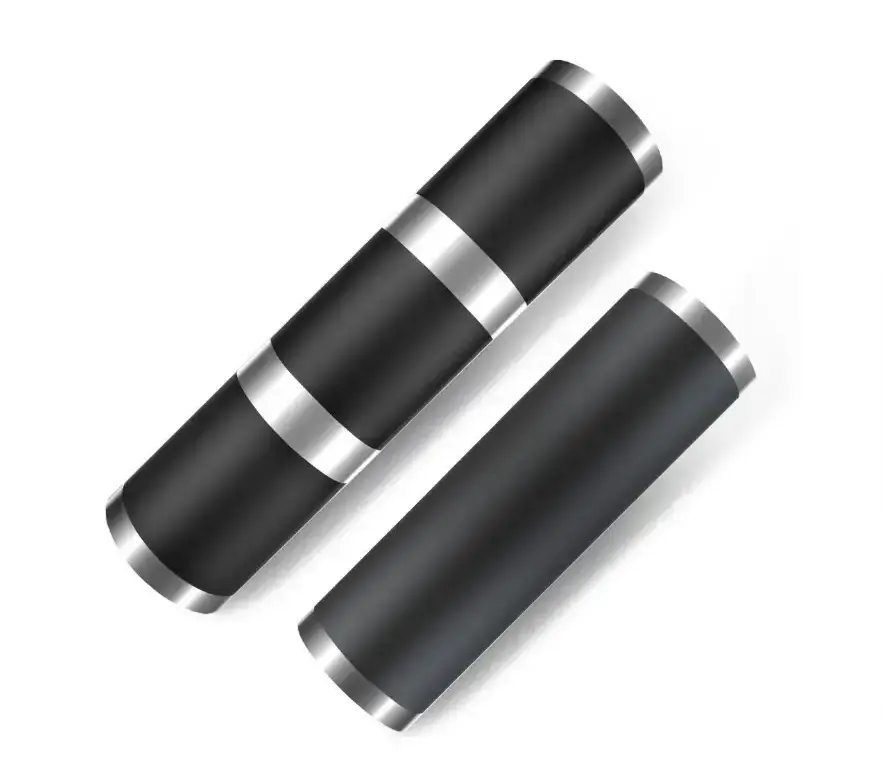
Carbon-coated aluminum foil is a conductive composite material used as a cathode current collector in lithium-ion batteries. It consists of a thin aluminum foil substrate and a surface layer of conductive carbon material.
In LFP electrode manufacturing, the interface between the cathode active material and aluminum current collector can influence contact resistance, coating adhesion, and electrode consistency. Carbon-coated aluminum foil is designed to optimize this interface while retaining the lightweight, conductive properties of aluminum.
Compared with conventional bare aluminum foil, carbon-coated aluminum foil may help reduce interfacial contact resistance and improve adhesion, depending on the coating formulation and electrode process.
Our carbon-coated aluminum foil can be customized for laboratory research, pilot-scale development, and battery manufacturing applications.
Single-Side vs. Double-Side Coated Aluminum Foil
Understanding the difference between single-side and double-side coating is crucial for optimizing your LFP electrode design and manufacturing process.
| Feature | Single-Side Carbon Coated Aluminum Foil | Double-Side Carbon Coated Aluminum Foil |
|---|---|---|
| Coating Configuration | Conductive carbon layer on one side; the reverse side is bare aluminum. | Conductive carbon layers on both sides. |
| Electrode Design | Ideal for single-sided electrode coating or designs where the bare aluminum side is needed for tab welding/ultrasonic welding. | Standard choice for high-energy-density double-sided electrode coating (e.g., stacked or wound cells). |
| Application Scenarios | - Specific winding cell designs - R&D and prototyping - Cases requiring bare foil for specific welding processes |
- Mainstream LFP power batteries (EV) - LFP Energy Storage Systems (ESS) - High-volume pouch and prismatic cells |
Buyer Selection Tip:Choose single-side if your process requires a bare aluminum surface for tab welding or if only one side contacts the slurry.Choose double-side for standard double-coated LFP cathodes to ensure uniform current distribution on both faces.
👉 Send your specification for a quotation
Product Advantages for LFP Cathodes
- Lowers Interfacial Resistance:The conductive carbon layer provides an excellent electron transport network, compensating for the low intrinsic conductivity of LFP materials and reducing cell polarization.
- Prevents Electrode Delamination:Strong adhesion ensures the LFP slurry firmly grips the current collector, preventing active material shedding during high-speed calendering and long-term cycling.
- Enhances Low-Temperature Performance:Lower internal resistance helps the LFP battery maintain better capacity and power output in cold environments.
- Protects Against Electrolyte Corrosion:The carbon layer acts as a protective barrier, shielding the aluminum substrate from HF attack in the electrolyte, thereby extending battery cycle life.
- Consistent Slurry Wetting:Optimized surface tension ensures uniform coating of the LFP slurry, reducing defects and improving manufacturing yield.
Commercial And Delivery Term
| Term | Details |
|---|---|
| MOQ | Sample order ≥ 1 kg if have inventory; mass‑production LFP‑project order 50kg |
| Sample Lead Time | Fast sampling for LFP electrode testing |
| Production Lead Time | 15-25 days |
| Packaging | Export-standard wooden cases with vacuum-sealed aluminum bags |
| Trade Incoterm | EXW, FOB (China main ports), CIF |
| Payment Terms | T/T (30 % deposit, balance before shipment); L/C at sight |
Application Fields
Our carbon coated aluminum foil is specifically engineered to excel in:
- LFP Energy Storage Systems (ESS): Where ultra-long cycle life (6000+ cycles) and cost-efficiency are paramount.
- EV Power Batteries (LFP): Providing stable current collection for electric vehicles requiring high safety and durability.
- Two-Wheelers & Light EVs: Cost-effective and reliable current collection for mass-market electric bikes.
- Home Energy Storage: Ensuring stable performance for daily charge/discharge cycles.
Looking for anode materials? Learn more about our Carbon-Coated Copper Foil for Battery Current Collector.
About Us
We specialize in providing carbon-coated aluminum foil and battery current collector materials for lithium-ion battery manufacturers, material developers, and energy storage solution providers. With a focus on product quality, specification flexibility, and responsive customer service, we aim to support customers throughout their battery material sourcing and production processes.
Our carbon-coated aluminum foil for LFP cathodes is available in single-sided and double-sided coating configurations, with customizable foil thickness, coating thickness, width, and other specifications to meet different electrode manufacturing requirements.We understand the importance of consistent material quality and reliable delivery in battery production. From sample evaluation and specification confirmation to customized production and shipment coordination, we work closely with customers to identify suitable products and support their project timelines. For urgent requirements, we can assess available stock, production capacity, and shipping options to arrange the earliest feasible delivery.
Whether you need carbon-coated aluminum foil for LFP batteries, pilot-scale testing, or larger-scale production, we are committed to providing practical material solutions and dependable service for your business.
Our Factory
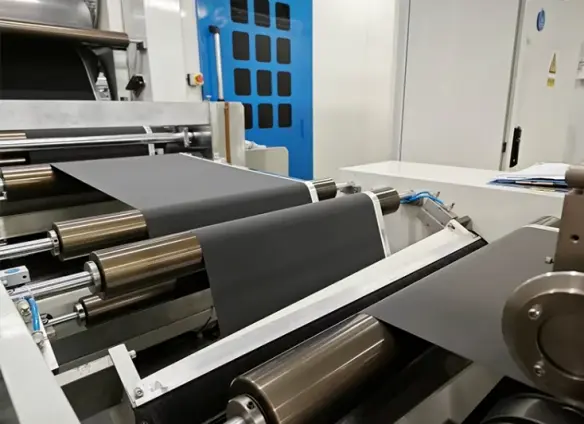
Conductive Carbon Coated Aluminum Foil
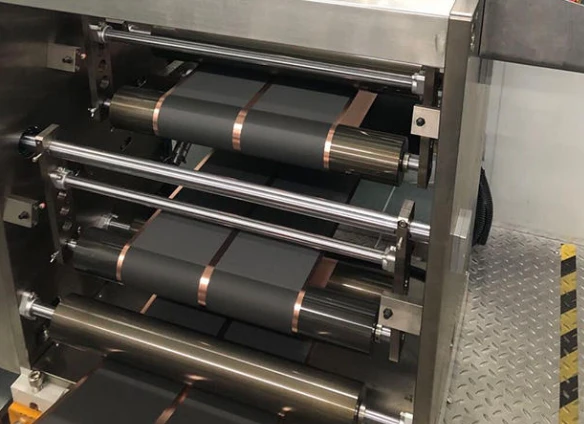
Condutive Cabon Coated Copper Foil
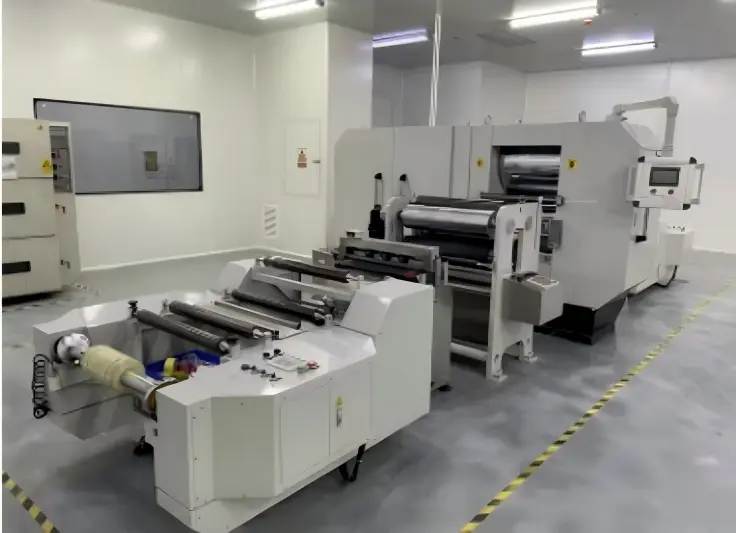
Manufacture Equipment of carbon coated foil
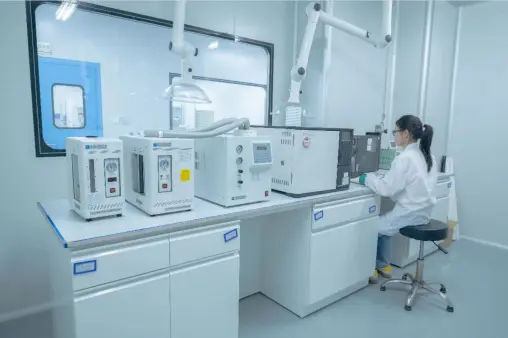
R&D Laboratory
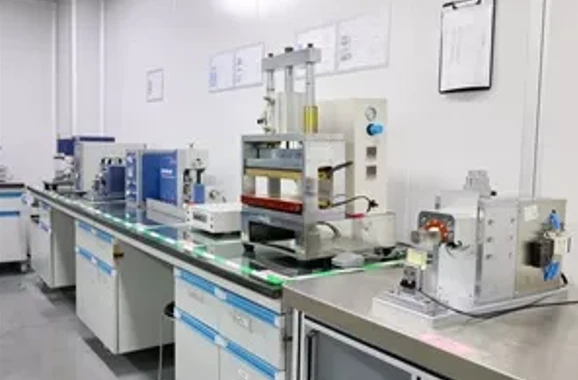
Test Lab for Carbon Coated Foil
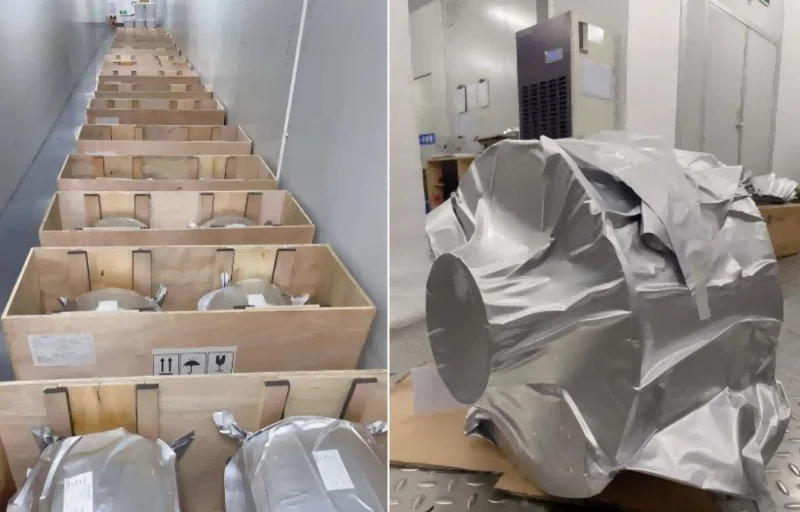
Vacuum Sealed Carbon Coated Foil
Request a Quote or Sample
Ready to optimize your LFP battery performance with high-quality carbon coated aluminum foil?
Send us your requirements:
- Substrate thickness (e.g., 12μm, 13μm, 15μm)
- Coating type (Single-side or Double-side)
- Width and core diameter
- Estimated annual volume
- Required lead time
Our technical team will review your LFP application and respond with the best specification, sample availability, and quotation.
👉 View product page and submit your inquiry
Want more technical articles on LFP‑battery current‑collector materials? Subscribe our technical blog newsletter. Dive into our featured technical article: Why LFP Cathodes Need Carbon‑Coated Aluminum Foil.
If you source anode‑side current‑collector for lithium‑ion‑battery development, please visit carbon‑coated copper foil product page.
FAQ
Q1: What is carbon-coated aluminum foil for LFP cathodes?
A: It is aluminum foil with a conductive carbon-based surface layer, designed for use as a cathode current collector in lithium iron phosphate (LFP) lithium-ion batteries.
Q2: What are the benefits of carbon-coated aluminum foil compared with bare aluminum foil?
A: Carbon-coated aluminum foil can improve electrical contact and cathode adhesion at the current collector interface. The actual benefits depend on the coating formulation, electrode materials, and manufacturing process.
Q3: What is the difference between single-side and double-side coated aluminum foil for LFP?
A: Single-side coating leaves one side of the aluminum bare, which is suitable for specific tab welding requirements. Double-side coating applies carbon to both sides, making it ideal for standard double-sided LFP electrode coating in high-energy-density cells.
Q4: Which carbon-coated aluminum foil is better for double-sided LFP cathode coating?
A: Double-sided carbon-coated aluminum foil is generally the more direct option when both cathode-facing surfaces require a conductive carbon layer. Final selection should be validated against your electrode design and process requirements.
Q5: What aluminum foil thicknesses are available?
A: Available thicknesses depend on the supplier's production range. Common industry options include approximately 12–20 μm, with other thicknesses potentially available by request. Please confirm the required substrate thickness before ordering.
Q6: Can you customize the carbon coating thickness and foil width?
A: Yes, customization can be discussed for carbon coating thickness, coating width, foil width, and uncoated margins, subject to the available production capabilities and minimum order requirements.
Q7: Can carbon-coated aluminum foil be used for NMC or other lithium-ion cathodes?
A: It may be suitable for compatible cathode chemistries such as NMC or LCO. Compatibility should be evaluated according to the coating formulation, electrolyte, and electrode processing conditions.
Q8: Why is carbon coated aluminum foil necessary for LFP batteries?
A: LFP (LiFePO4) has low electronic conductivity. The carbon coating on the aluminum foil creates a highly conductive bridge between the LFP active material and the current collector, reducing internal resistance and preventing electrode delamination.
Q9: Does the carbon coating affect the energy density of the LFP battery?
A: The coating is extremely thin (typically 0.5–1.5 μm per side), so it adds minimal weight and volume. The significant improvement in electrical conductivity and cycle life far outweighs the negligible impact on energy density.
Q10: How does your foil prevent "powder shedding" during calendering?
A: Our carbon coating uses an optimized binder system that provides strong mechanical interlocking and chemical bonding with the LFP slurry, ensuring the electrode remains intact under high calendering pressure.
Q11: Which grade should I pick for high‑compact‑density LFP power cells, single‑sided or double‑sided carbon‑coated aluminum foil?
A: Double‑sided carbon‑coated aluminum foil is highly recommended. It optimizes electrode‑foil interfaces on both sides, reduces peeling risk under high calendaring pressure and cuts overall interfacial resistance for high‑energy‑density LFP power cells. Single‑sided version fits cost‑sensitive medium‑density LFP energy‑storage batteries.
Q12: What performance gains can LFP‑grade carbon‑coated aluminum foil bring compared with bare aluminum foil?
A: It fills micro‑gaps generated by fine LFP particles, greatly reduces interfacial impedance (internal resistance reduction over 50% under matched conditions). It lowers heat generation during cycling, prevents cathode coating delamination, improves cycle‑life and thermal safety while lifting production yield. You can learn more mechanism details in our article Why LFP Cathodes Need Carbon‑Coated Aluminum Foil.
Q13: Can you customize foil thickness and carbon‑coating parameters for our proprietary LFP cathode formula?
A: Yes. Substrate thickness 10‑20 μm, coating areal density 0.2‑2.0 g/m², coating thickness and slitting width are fully customizable. We supply lab‑scale samples and large‑volume mass‑production materials for LFP battery projects.
Q14: Will the conductive carbon coating peel off under long‑term electrolyte soaking in LFP battery operating environment?
A: Under standardized 60 ℃, 24‑hour electrolyte soaking test, our LFP‑grade carbon‑coated aluminum foil shows zero coating shedding. The carbon layer maintains stable performance under lithium‑ion battery electrolyte environment for real‑world working conditions.
Hot Tags: carbon coated aluminum foil for LFP, LFP cathode current collector, LiFePO4 battery foil, coated aluminum foil for lithium battery, single side coated aluminum foil, double side coated aluminum foil