


In conventional lithium-ion batteries, aluminum foil is widely used as the cathode current collector, while copper foil is the standard choice for the anode. However, sodium-ion batteries offer a different approach: aluminum foil can generally be used as the current collector for both the positive and negative electrodes.
Why can sodium-ion batteries replace copper foil with aluminum foil? And why is this substitution generally unsuitable for conventional lithium-ion batteries? The answer lies in the different electrochemical interactions between lithium, sodium, and aluminum.
For battery manufacturers, this difference is more than a material selection issue. It creates opportunities to reduce current collector costs, lower electrode weight, simplify material sourcing, and develop new battery electrode designs.
For cathode‑side foil solution, please visit our Carbon Coated Aluminum Foil for Sodium‑Ion Batteries page
What Is the Function of a Battery Current Collector?
A battery current collector is an electrically conductive substrate that bridges the electrode active material and the external circuit. Unlike active materials, it does not store ions; rather, its primary role is to collect and transport electrons during charge and discharge cycles. An optimal current collector must combine high electrical conductivity, mechanical strength, strong adhesion to the electrode coating, consistent surface quality, and reliable electrochemical stability within the operating voltage window. While both aluminum and copper are widely used, their electrochemical stability varies depending on the battery chemistry and operating potential-which is precisely why conventional lithium-ion and sodium-ion batteries require different negative electrode collectors.
Why Sodium‑Ion Batteries Can Adopt Aluminum Foil for Anode
Although sodium and lithium belong to alkali metals, their electrochemical interaction with aluminum is totally different. Within the normal operating‑potential range of sodium‑ion battery anodes, sodium will not generate stable large‑scale aluminum‑sodium alloy like lithium‑aluminum alloy in lithium‑ion systems.
It does not mean sodium and aluminum never react under any condition. Improper potential control, bad electrolyte formulation or long‑time over‑discharge may still trigger partial interfacial side‑reactions. But within standard SIB working voltage window, properly‑selected battery‑grade aluminum foil maintains structural stability for anode current‑collector duty. That enables the well‑known "dual‑aluminum" design: aluminum foil serves for both cathode and anode of sodium‑ion batteries.
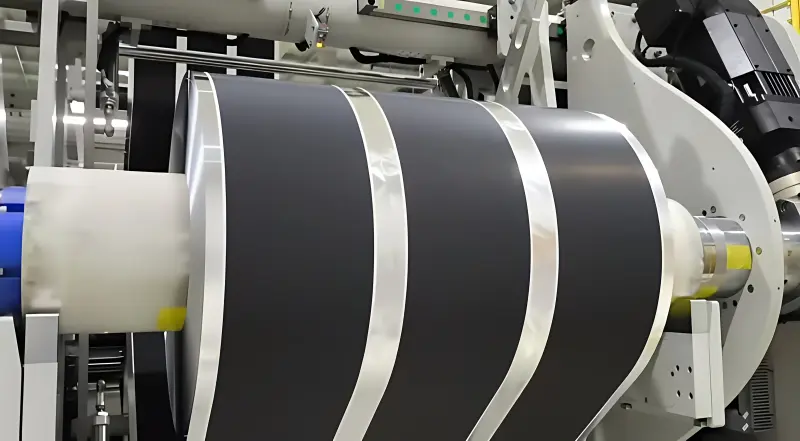
👉Request a sodium-ion current collector sample or custom quote from HSMetal.
Practical Benefits of Dual‑Aluminum Current‑Collector Structure for Sodium‑Ion Batteries

Material‑cost reduction: Copper has much higher market price than aluminum. Removing copper foil from anode bill‑of‑materials brings obvious raw‑material saving.
Weight‑revenue: Aluminum density is roughly one‑third of copper. Dual‑aluminum setup cuts current‑collector weight and contributes to cell‑level weight‑energy‑density optimisation.
Simplified manufacturing workflow: Unified aluminum‑based current‑collector material reduces material categories for procurement, inventory management and production.
Optimised recycling process: Both positive and negative‑side current‑collectors are aluminum‑based, lowering metal‑sorting complexity during battery recycling.
Improved over‑discharge tolerance: Compared with copper‑foil anode, aluminum anode for SIB shows better stability under partial over‑discharge conditions.
Important engineering reminder: These advantages are conditional. The dual‑aluminum structure cannot offset risks brought by poor foil quality, mismatched electrolyte or improper BMS control.
Real‑World Engineering Limitations of Using Aluminum Foil on SIB Anode
Aluminum foil cannot be directly copied from lithium‑ion cathode usage and simply applied for sodium‑ion anode without evaluation. Several practical challenges need attention for mass production:
- Natural alumina surface‑film impact: Native oxidation layer on aluminum increases contact resistance and brings welding difficulty for tab connection. Special surface treatment is required for anode‑grade aluminum foil.
- Coating‑adhesion risk: Surface energy, roughness and oxide‑layer status affect hard‑carbon‑slurry anchoring. Insufficient adhesion causes powder shedding during calendering and long‑term cycling.
- Electrolyte matching requirement: Different sodium‑salt electrolytes create different interfacial films on aluminum surface. Foil performance must be verified with your real electrolyte formula.
- Not equal to unlimited over‑discharge permission: Even with dual‑aluminum design, long‑term severe over‑discharge still causes aluminum corrosion, gas generation and irreversible capacity loss. BMS protection remains mandatory.
- Distinction between cathode‑aluminum‑foil and anode‑aluminum‑foil: SIB anode demands stricter control for surface purity, pinhole rate and oxide‑layer thickness. Ordinary LIB cathode aluminum foil is not fully qualified for SIB‑anode
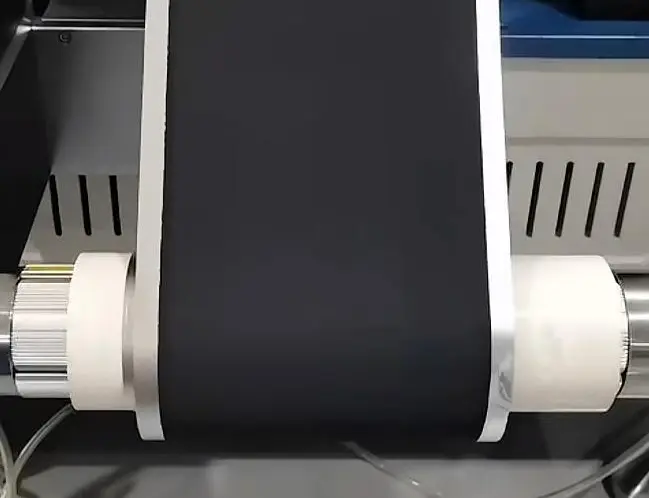
For full technical specifications including substrate thickness, carbon areal density and surface‑resistance indexes, please visit our carbon coated aluminum foil for sodium‑ion battery cathodes product page.
Material-Selection Guide for Sodium-Ion and Lithium-Ion Battery Current Collectors
Choose the right current collector according to electrode polarity, battery chemistry, and application requirements.
| Electrode Side / Application | Recommended Current Collector | Engineering Rationale & Key Considerations | Related Product (Internal Link) |
|---|---|---|---|
| SIB Cathode (Positive) |
• Bare high-dyne Al foil • Carbon Coated Al foil |
Carbon coating improves slurry adhesion and lowers contact resistance for Prussian-blue analogues or layered-oxide systems. | 👉 Carbon Coated Aluminum Foil for Sodium-Ion Batteries |
| SIB Anode (Negative) |
Dedicated Na-ion battery-grade Al foil (Surface-modified/carbon-treated optional) |
Optimized for Na-ion low-potential environment. Modified/C-coated foil is required if high adhesion for hard-carbon slurry is needed. Never use standard Li-ion cathode Al foil here. | 👉 High-Dyne Bare Foil / Coated Foil |
| Li-Ion Anode (Negative) |
Copper-based foil (Carbon Coated Cu foil) |
Aluminum foil cannot be used here because Li alloys with Al at low potentials, destroying the collector. Copper is mandatory. | 👉 Carbon Coated Copper Foil for Li-Ion Anodes |
Explore our [Carbon-Coated Aluminum Foil for Sodium-Ion Batteries] and [Carbon-Coated Copper Foil] solutions, or contact our technical team for customized material recommendations and product specifications.
Conclusion
The Dual-Aluminum Advantage in Sodium-Ion Batteries
The fundamental difference comes down to electrochemistry: lithium easily alloys with aluminum at low anode potentials, destroying the foil, whereas sodium remains stable within its normal operating window. This stability allows sodium-ion batteries to adopt a cost-effective "dual-aluminum" structure, slashing material costs, reducing cell weight, and decreasing copper dependence. However, maximizing this advantage requires more than just bare aluminum-surface-engineered solutions like carbon-coated aluminum foil are essential to overcome the natural oxide layer, ensuring low interfacial resistance and strong adhesion for hard-carbon anodes. Selecting the right current collector means matching these surface properties to your specific cell chemistry and manufacturing process.
👉 Request a Sodium Battery Aluminum Foil Sample
👉 Explore Carbon Coated Aluminum Foil for Na-Ion
👉 Compare Carbon Coated Copper Foil for Li-Ion Anodes
📩 Contact HSMetal for Sodium-Ion Collector Selection
FAQ
Q1: Why can sodium-ion batteries use aluminum foil as the anode current collector?
A: Sodium-ion batteries can generally use aluminum foil for the anode because sodium does not exhibit the same significant alloying tendency with aluminum as lithium under the normal operating conditions of conventional sodium-ion cells. This allows aluminum to maintain sufficient stability and function as a negative electrode current collector.
Q2: Why can't conventional lithium-ion batteries use aluminum foil for the anode?
A: In conventional graphite-based lithium-ion batteries, the anode operates at a very low potential during charging. Lithium can react with aluminum to form lithium-aluminum alloys, which may cause structural changes, volume expansion, and interfacial instability. Copper foil is therefore generally used as the anode current collector.
Q3: Can sodium-ion batteries use aluminum foil for both electrodes?
A: Yes. Conventional sodium-ion battery designs can use aluminum foil for both the positive and negative electrode current collectors. This is commonly known as a dual-aluminum current collector structure.
Q4: Is aluminum foil cheaper than copper foil for battery current collectors?
A: Aluminum generally costs less than copper on a mass basis. Replacing negative electrode copper foil with aluminum foil can reduce current collector material costs. Actual savings depend on foil specifications, thickness, processing costs, and production yield.
Q5: Does aluminum foil improve sodium-ion battery energy density?
A: Aluminum has a much lower density than copper, so replacing copper foil with aluminum can reduce current collector weight. This may improve gravimetric energy density at the cell level, although the actual improvement depends on the complete battery design.
Q6: What is the difference between regular aluminum foil and battery-grade aluminum foil?
A: Battery-grade aluminum foil requires tighter control over thickness, surface cleanliness, roughness, pinholes, mechanical properties, and batch consistency. These characteristics are important for electrode coating, calendering, welding, and long-term battery performance.
Q7: What is carbon-coated aluminum foil used for in sodium-ion batteries?
A: Carbon-coated aluminum foil is a surface-engineered current collector. Its carbon coating can improve electrical contact and interfacial compatibility between the aluminum substrate and electrode coating. It may also improve coating adhesion, depending on the coating formulation and electrode system.
Q8: Is carbon-coated aluminum foil necessary for every sodium-ion battery?
A: No. The choice between standard aluminum foil and carbon-coated aluminum foil depends on electrode formulation, manufacturing processes, interfacial requirements, and performance targets. Carbon-coated foil is an optional material solution for applications that benefit from surface modification.
Q9: What thickness of aluminum foil is suitable for sodium-ion battery current collectors?
A: The appropriate thickness depends on electrode design, current density, mechanical strength, coating requirements, and manufacturing conditions. Battery manufacturers should select foil thickness based on their specific cell design and production requirements.
Q10: How can I choose a reliable sodium-ion battery aluminum foil supplier?
A: Evaluate the supplier's thickness control, surface quality, mechanical properties, coating consistency, production capability, quality management, and ability to provide customized specifications. Technical samples and application testing are recommended before mass production.
Q11: Does sodium never form any alloy phase with aluminum?
A: Under extreme voltage beyond regular sodium‑ion battery operating window, sodium‑aluminum inter‑metallic compounds can form. In standard SIB charge‑discharge working range, severe alloying reaction will not occur, so aluminum foil can work as anode current collector. Severe over‑discharge shall still be avoided.
Q12: Can I directly use ordinary lithium‑ion cathode aluminum foil for sodium‑ion battery anode production?
A: Not recommended. SIB anode faces low‑potential environment, which puts stricter requirements on foil surface condition, pinhole rate and oxide‑layer control. Ordinary cathode aluminum foil may trigger interfacial side‑reactions when deployed on anode without modification and validation. Cell‑level testing is necessary before mass adoption.
Q13: After adopting dual‑aluminum current‑collector structure for sodium‑ion batteries, can I completely remove over‑discharge protection from BMS?
A: No. Dual‑aluminum design improves partial over‑discharge tolerance, but cannot resist continuous severe over‑discharge. Excessive over‑discharge still leads to aluminum corrosion, gas generation and permanent capacity loss. Complete BMS protection function is still required.
Q14: For sodium‑ion battery cathode, when should I pick carbon‑coated aluminum foil instead of bare aluminum foil?
A: Carbon‑coated aluminum foil is preferred when you pursue higher slurry adhesion, lower interfacial contact resistance and stable cycling performance for energy‑storage and two‑wheeler sodium‑ion cells. You may visit our [Carbon Coated Aluminum Foil for Sodium‑Ion Batteries page] for full technical parameters.
Q15: What are the main differences between carbon‑coated aluminum foil and carbon‑coated copper foil?
A: Carbon‑coated aluminum foil targets cathode‑side application for sodium‑ion or lithium‑ion batteries. Carbon‑coated copper foil is designed for lithium‑ion battery anode. Substrate metal and applicable potential window differ significantly, and they cannot swap for each other. Please check our Carbon‑Coated Copper Foil page for further details.
Q16: Will dual‑aluminum current‑collector structure automatically cut large‑amount costs for finished sodium‑ion cells?
A: Dual‑aluminum design reduces raw‑material cost for current‑collector parts. However, final cell cost is also determined by active‑material price, manufacturing yield, electrolyte cost and processing expense. Cost‑saving from current‑collector cannot represent the total cell‑cost change.


